Wholesale Plush Toys have become a significant segment of the toy market. According to industry research, the global plush toy market was valued at approximately $8 billion in 2022. Projections suggest it will grow by over 5% annually. This surge in popularity reflects trends in consumer preferences for comfort and nostalgia.
Many buyers are drawn to wholesale plush toys due to their affordability. Purchasing in bulk often reduces costs by 30% compared to retail prices. However, sourcing quality products can be challenging. Potential buyers must carefully assess suppliers to avoid subpar merchandise. Not all plush toys meet safety standards, which raises concerns.
It's crucial to stay updated with market trends when buying these toys. For instance, eco-friendly materials are becoming increasingly favored. Reports indicate that 40% of consumers prefer sustainable options. As the market evolves, buyers must adapt. Reflecting on sourcing strategies can lead to better choices and stronger business relationships.
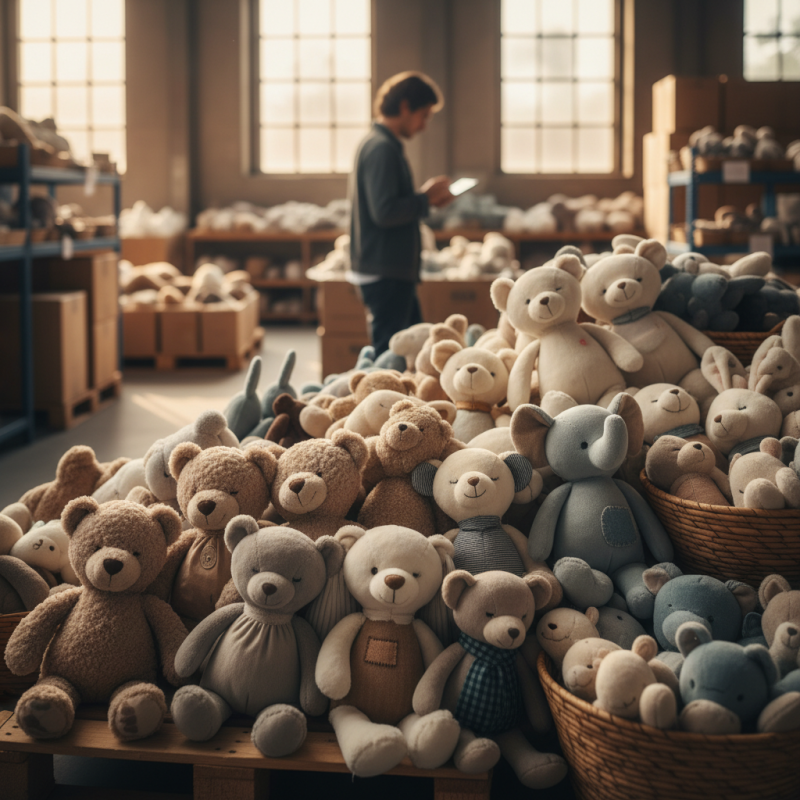
Wholesale plush toys refer to soft, stuffed animals produced in bulk for resale. They serve various purposes, from children's toys to promotional items. These toys come in diverse shapes, sizes, and colors. Some may even represent popular characters. When exploring wholesale options, understanding your market is crucial.
Many retailers seek unique plush toys that stand out. Custom designs can attract more customers. However, not every plush toy will sell well. It's vital to research trends in the toy market. Consider safety standards and materials used in production. Quality can vary greatly between suppliers.
Visiting trade shows can be beneficial. It allows buyers to see products firsthand and build relationships. However, remember that not every supplier will meet expectations. Examine samples carefully. Sending inquiries can also lead to unclear responses. Always ask for references to verify the supplier’s credibility. Balancing cost and quality will ensure your wholesale purchases are worthwhile.
Buying wholesale plush toys has many benefits for retailers. One major advantage is cost savings. Purchasing in bulk often allows retailers to get lower prices per unit. This can lead to higher profit margins when selling to customers. Retailers also benefit from a more diverse selection. A variety of designs enables stores to cater to different customer preferences. Offering unique plush toys can attract more shoppers.
Another benefit is the potential for building customer loyalty. Plush toys often evoke nostalgia and emotional connections. When retailers stock high-quality plush toys, they create memorable shopping experiences. Customers may return to the store for these special items. However, retailers must ensure they are selecting products that appeal to their audience. It’s important to research trends to avoid overstocking unwanted items.
In addition, ordering wholesale can streamline inventory management. With bulk purchases, retailers can better manage stock levels. But there is a risk of accumulating excess inventory. Unsold items can take up valuable space and affect cash flow. Retailers should consider their sales patterns carefully. Balancing variety and demand is key to a successful wholesale strategy.
When selecting a wholesale plush toy supplier, quality should be a top priority. Reports indicate that 75% of customers rate product quality as the most important factor. Look for suppliers who offer high-quality materials. This can include soft fabrics and secure stitching. Poor quality can lead to customer complaints and returns.
Pricing is another critical factor. Pricing varies widely among suppliers. Research shows that the average cost of wholesale plush toys can fall between $5 to $15 per unit. Keep an eye out for minimum order quantities that might affect your budget. Moreover, consider shipping costs, as they can significantly impact total expenses.
Lastly, customer service cannot be overlooked. Suppliers who are responsive and supportive can make a big difference. A recent industry survey found that 60% of businesses experience challenges with supplier responsiveness. Finding a reliable partner can ease these challenges and provide peace of mind. It is vital to ask questions and gauge their support before committing.
Wholesale plush toys are popular for businesses looking to stock inventory. They come in various styles, sizes, and theme designs. This guide will help you navigate the purchasing process step-by-step.
Start by researching suppliers. Look for reputable manufacturers or wholesalers that specialize in plush toys. Don’t just go for the first option you find. Compare prices, quality, and design variety. Request samples if possible. This will allow you to feel the texture and see the product firsthand. Make a shortlist of potential suppliers that meet your quality standards.
Once you have your list, reach out to them. Ask about minimum order quantities, prices, and delivery times. It’s essential to clarify these details to avoid surprises later. Remember, communication is key. If a supplier is unresponsive or vague, that could be a red flag. After selecting a supplier, place your order. Double-check all details before finalizing the purchase. Pay attention to shipping options and costs. There might be unexpected fees. The process can seem daunting, but it’s gratifying to see your stock ready for customers.
Marketing plush toys effectively requires understanding your target market. Recent studies show that 70% of consumers prefer toys that evoke nostalgia. This preference highlights the potential of classic designs. Think about the emotions your toys can invoke. Offer plush toys that resonate with adults as well as children.
Utilize social media for marketing. A report indicates that 80% of consumers are influenced by social media posts. Create engaging content that showcases your plush toys. Use bright, eye-catching images. Videos of plush toys in action can draw attention. Remember to highlight unique features. This could be soft materials or eco-friendly production processes.
Examine your selling strategies. Around 55% of retailers report that seasonal promotions boost sales. Plan your inventory based on holiday moments. Reflect on the timing of your promotions. Not every toy will sell well year-round. Analyze your sales data to forecast trends. Consumers may want trendy plush toys but also appreciate tradition. Balancing these can yield better results.
| Category | Material | Size (cm) | Age Group | Price Range ($) | Market Trends |
|---|---|---|---|---|---|
| Classic Bears | Plush | 30 | 3+ | 10 - 20 | Increasing demand during holidays |
| Animal Plush | Cotton | 25 | 1+ | 8 - 15 | Eco-friendly options rising in popularity |
| Character Plush | Polyester | 40 | 4+ | 15 - 30 | Licensing drives sales based on trends |
| Interactive Plush | Mixed Materials | 35 | 5+ | 20 - 50 | Growing trend in educational toys |
| Seasonal Plush | Velvet | 20 | All Ages | 5 - 25 | High demand around holidays |
: Cost savings and diverse selection are key benefits. Retailers can lower prices per unit and attract more shoppers.
Plush toys evoke nostalgia. High-quality products create memorable experiences, encouraging customers to return to the store.
Quality, pricing, and customer service are crucial. Look for high-quality materials and responsive suppliers to avoid issues.
Product quality is vital. Many customers prioritize it, and poor quality can lead to complaints and returns.
Prices typically range from $5 to $15 per unit. Research different suppliers to find the best deal.
Bulk orders can streamline inventory but risk excess stock. Carefully analyze sales patterns to avoid overstocking.
Clear communication helps avoid surprises. Unresponsive suppliers can signal potential problems in the partnership.
Research should include comparing prices, quality, and variety. Requesting samples can provide a better understanding of products.
Confirm all order details, including quantities, prices, and shipping costs. Unexpected fees can impact your budget.
Issues with supplier responsiveness are common. It’s essential to find a reliable partner to streamline the process.
Wholesale Plush Toys refer to soft, stuffed toys purchased in bulk, typically by retailers looking to stock their stores affordably. Understanding the scope of these toys is crucial for retailers, as they can provide a variety of dimensions, themes, and materials to appeal to different customer demographics. The key benefits of buying wholesale include cost savings, variety, and the ability to meet customer demand without excessive inventory costs.
When selecting a wholesale plush toy supplier, retailers should consider factors such as product quality, supplier reliability, and shipping options. Following a step-by-step guide to purchasing can streamline the process, ensuring that retailers make informed decisions. Additionally, effective marketing strategies are essential for successfully selling plush toys; this includes targeting the right audience and utilizing online platforms to reach potential customers. By focusing on these elements, retailers can thrive in the competitive market of Wholesale Plush Toys.

Kasten Toys