When it comes to cherished possessions, custom toys hold a special place in many hearts. However, understanding how to store custom toys for long-term preservation is crucial. This process ensures your beloved items remain in pristine condition for years to come. Proper storage can prevent fading, warping, and other damages that could occur over time.
Choosing the right environment is vital. Factors like humidity and temperature can significantly impact the integrity of your toys. A cool, dry place away from direct sunlight is ideal. Consider also the materials of the toys. Some plastics and fabrics may require specific treatment to avoid deterioration.
Regular checks on stored toys can help you catch issues early. Dust and contamination can accumulate, leading to long-term damage. It’s easy to overlook these details. Reflecting on your storage habits can reveal opportunities for improvement. Practicing careful preservation will not only maintain visual appeal but also the emotional value these toys carry.
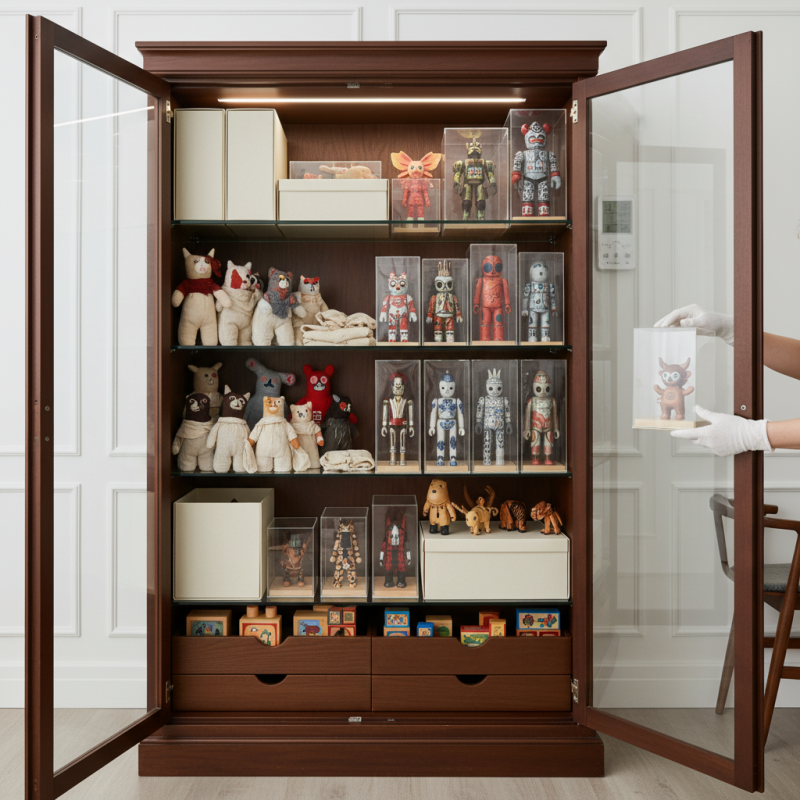
Storing custom toys requires attention to their environment. The right storage conditions significantly impact their longevity. According to a report by the International Toy Association, up to 80% of toys show signs of deterioration when exposed to unfavorable conditions. Keeping toys in a climate-controlled space is essential to avoid issues like warping and fading.
Temperature and humidity play vital roles. Ideally, maintain a storage temperature between 65°F and 75°F with humidity levels around 45-55%. High humidity can lead to mold, while low humidity can cause cracking. Tips include using airtight containers, avoiding basements or attics, and ensuring plenty of airflow to keep materials stable.
Light exposure is another factor often overlooked. Ultraviolet (UV) light can damage toys made from plastic and other materials. Stores should therefore be dark or covered with blankets or boxes. Regularly check your toys for signs of damage. It's crucial to assess the overall condition every few months. Proper care might mean re-evaluating choices like original packaging or protective coverings, ensuring your custom toys remain in top shape.
Cleaning and maintaining custom toys is crucial for their long-term preservation. Start by dusting the toys with a soft, microfiber cloth. This prevents dirt build-up that can cause scratches or damage over time. For deeper cleaning, consider using mild soap diluted in water. A soft sponge can help reach intricate parts without harm. Always test a small area first before applying any cleaning solution on the entire surface.
Moisture can lead to mold or deterioration. Ensure toys are completely dry before storage. Check for any signs of wear and tear. If there are loose parts, reinforce them carefully. It's important to handle each piece gently. Consider taking pictures of detailed designs or features. It can help in remembering specifics later, especially if modifications are needed.
Finally, avoid plastic bags, as they can trap moisture. Instead, choose breathable fabric or cardboard boxes. Keep toys away from direct sunlight and extreme temperature fluctuations. This will protect their colors and materials. Reflect on your storage choices. Are they enough to maintain the toys in excellent condition? Your proactive efforts today will ensure these cherished items remain a joy for years to come.
When storing custom toys for long-term preservation, selecting the right storage containers and materials is crucial. Plastic bins are popular due to their durability. However, not all plastics are suitable. The American Society for Testing and Materials (ASTM) suggests using archival-quality plastic. This prevents chemical reactions that can damage toys over time.
In addition to containers, consider the materials used inside. Acid-free tissue paper is ideal for cushioning delicate items. A report by the Getty Conservation Institute highlights that storing objects without proper cushioning can lead to surface abrasions. It's important to avoid excess moisture, too. Use silica gel packets to absorb humidity, as high humidity can lead to mold growth and material degradation.
Also, temperature matters. The ideal range is between 65°F and 75°F. Fluctuations can lead to expansion and contraction of materials, causing damage. Don’t overlook environmental factors like light exposure; ultraviolet light can fade colors and weaken structural integrity. A National Park Service study found that light is one of the most significant factors affecting preservation. Therefore, careful planning of storage space can greatly enhance the longevity of your custom toys.
When organizing a toy collection, proper labeling is crucial. Start by categorizing your toys. Group them by type, size, or theme. This way, you can find what you need easily. Use clear labels to identify each container. Simple tags can be very effective. Include its name and maybe a photo of the toy.
Keep in mind that storage solutions might not always be perfect. Some containers may not fit all toys. For example, oversized items might require custom boxes. This can lead to a less uniform appearance. Remember, it’s okay to adapt your organization system as your collection evolves.
Try to periodically evaluate your collection. Are some toys collecting dust? Do you hold on to pieces for nostalgia? Reflect on your preferences. This can help you decide what to keep. Continuous improvement is part of the organizing process. Feel free to change how you store and label your toys to fit your journey.
Regular maintenance is crucial for preserving custom toys over time. A recent study reported that nearly 30% of collectibles suffer damage due to neglect. Regular checks can help prevent deterioration from environmental factors. Dust accumulation can lead to discoloration and damage. It’s essential to inspect your toys every few months. Look for signs of wear, such as cracks or fading colors.
Tips for maintaining your toys include keeping them in a temperature-controlled environment. High humidity can lead to mold growth, while extreme temperatures can warp materials. Consider using display cases with UV protection to reduce sunlight exposure. If your toys have moving parts, ensure they are lubricated to prevent stiffness.
Another aspect to consider is cleaning. Use soft brushes or microfiber cloths to gently remove dust. Avoid harsh chemicals, as they can cause irreversible damage. Cleaning once every six months can enhance the longevity of your toys. Remember, even small flaws can degrade their value. Conducting routine assessments and caring for your toys can significantly extend their life, ensuring they remain cherished items for years to come.
: The storage environment affects toys' longevity. Unfavorable conditions can cause deterioration, like warping and fading.
Maintain a temperature between 65°F and 75°F. Humidity should be around 45-55% to prevent mold and cracking.
Ultraviolet (UV) light can harm toys made from plastic. Store them in dark places or cover them to reduce exposure.
Inspect your toys every few months. Look for cracks or fading to catch problems early and prevent deterioration.
Use soft brushes or microfiber cloths. Avoid harsh chemicals, as they can cause irreversible damage over time.
Neglect can lead to significant damage. Assessing condition and cleaning can dramatically extend your toys' life.
Ensure the moving parts are lubricated. This prevents stiffness and allows them to function properly over time.
Use airtight containers to keep moisture out. Avoid basements or attics that can expose toys to extreme conditions.
When considering how to store custom toys for long-term preservation, it's essential to focus on various key factors. First, ensure you choose the right storage environment; it should be a cool, dry place away from direct sunlight to prevent damage. Next, prepare your toys by cleaning and maintaining them to ensure they are in optimal condition before storage. Selecting appropriate storage containers and materials is crucial to protect the toys from dust and moisture. Additionally, organizing and labeling your collection effectively will make it easier to locate items when needed. Finally, conducting regular checks and maintenance will help preserve your toys and ensure their longevity for years to come. By following these tips, you can confidently store custom toys while maintaining their quality and charm.

Kasten Toys