Starting a custom toy business from home can be a transformative journey. Many creative individuals dream of turning their passion into profit. But how to start a custom toy business from home? This question resonates with aspiring entrepreneurs. Crafting unique toys can be a fulfilling venture. However, it requires careful planning and execution.
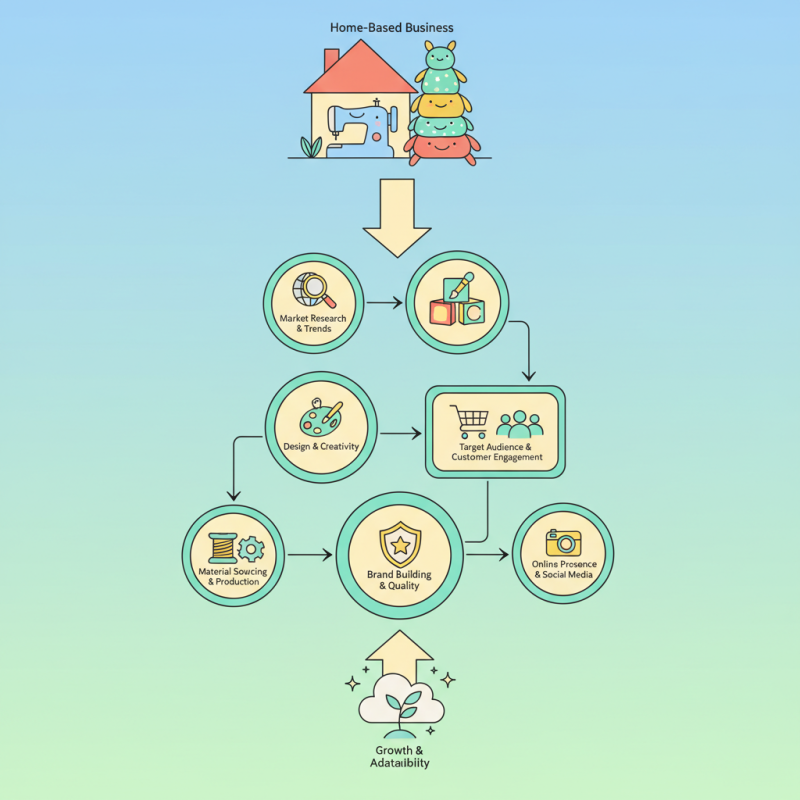
Understanding the market is essential. Researching trends and customer preferences will help inform your designs. This step is often overlooked, yet it is crucial. Consider your target audience: parents, children, or collectors? Engaging with potential customers early can refine your ideas. You will face challenges along the way, such as sourcing materials and efficient production.
Building a brand that reflects quality and creativity is key. Establishing an online presence is a must. Social media platforms can showcase your toys and connect with buyers. Share your journey and unique story. Remember, every imperfection can lead to growth. Embrace feedback and adapt as required. With dedication and creativity, your custom toy business can thrive.
The custom toy market is evolving rapidly. Recent data shows that the global toy market size reached approximately $90 billion in 2021. Customization appeals particularly to parents seeking unique gifts. A survey indicated that 70% of parents are willing to spend more on personalized toys. This trend creates a fertile ground for entrepreneurs.
Understanding market trends is crucial. For instance, eco-friendly materials are becoming a priority. Reports suggest that 20% of consumers prefer sustainable products. This shift is an opportunity for custom toy businesses to stand out. Offer unique designs with environmentally safe materials. Additionally, consider the importance of digital presence. Over 60% of consumers look for products online before purchasing.
Tips: Embrace social media for marketing. Showcase your designs through engaging content. Listening to customer feedback can improve your products. Explore local craft fairs to network. The journey may have challenges, but adapting to trends can yield success. Remember, every misstep offers a chance to learn and refine your approach.
: Pick a quiet corner with good lighting and ventilation. This can enhance your focus and creativity.
Gather scissors, glue, and fabric swatches to start. Investing in quality tools makes a difference in production.
Yes, mistakes will happen during the process. Embrace these as part of your creative journey.
Safety is crucial. Use protective gear when handling sharp objects to avoid accidents.
Understanding safety standards helps build trust in your brand. It ensures your products are safe for consumers.
Research potential buyers’ preferences and hobbies. Knowing your audience helps create focused marketing strategies.
Use social media to showcase products and engage with your audience. This builds trust and loyalty.
Choose a user-friendly platform. Use high-quality images and provide detailed descriptions for your toys.
Not all toys will be hits. Use feedback from setbacks to improve your offerings moving forward.
Keep your workspace clutter-free. An organized area enhances focus and promotes better work habits.
If you're wondering how to start a custom toy business from home, the first step involves researching current market trends and identifying opportunities within the custom toy niche. Understand what types of toys are gaining popularity and who your target audience will be. This knowledge will guide your design choices and help you create toys that resonate with potential customers.
Next, focus on creating unique designs and prototypes that set your toys apart from competitors. Setting up a functional home workspace is crucial for efficient production. Finally, develop a marketing strategy to effectively sell your custom toys online, utilizing various digital platforms to reach your audience. By following these steps, you can successfully launch a custom toy business from the comfort of your home.

 Kasten Toys