How to Legally Sell Custom Toys of Copyrighted Characters?

Time:2026-03-13 Author:Mason
0%

Can I legally sell custom toys of copyrighted characters? This question arises for many aspiring creators. Custom toys can be unique and appealing, especially if they resemble popular characters. However, the legal landscape is complex. Understanding copyright laws is crucial for anyone considering this venture.

Creating toys inspired by loved characters may seem innocent at first. Yet, it's essential to recognize the potential risks involved. Copyright holders fiercely protect their intellectual property. So, if you craft toys resembling iconic figures, you may face legal issues. Companies may issue cease-and-desist orders if they feel their rights are threatened.

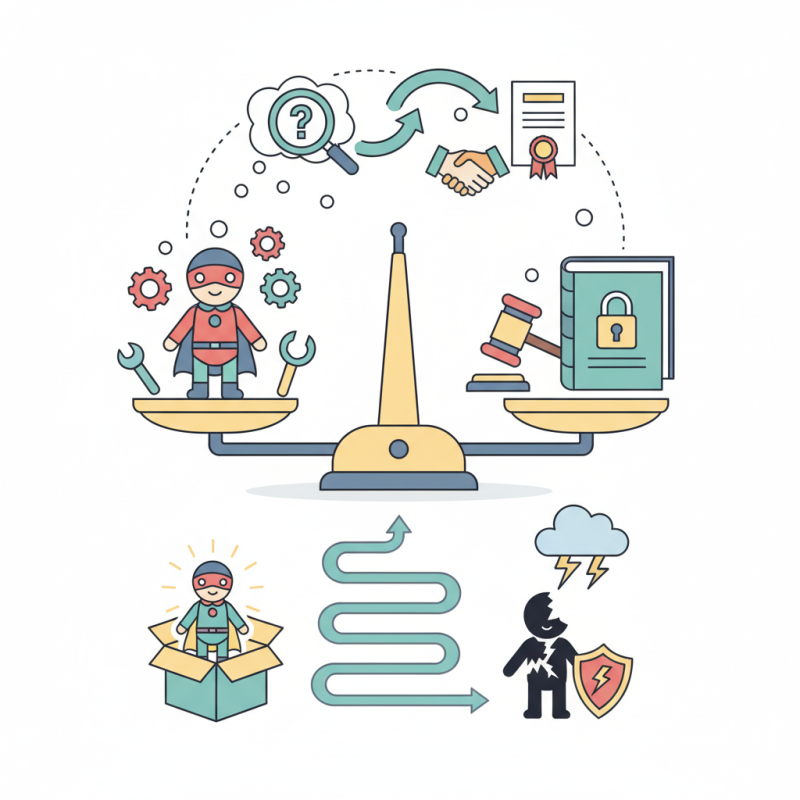
Navigating this terrain requires careful planning. It’s advisable to research licensing agreements thoroughly. Engaging in a dialogue with copyright owners can help clarify the rules. This process might lead to creating licensed products. It adds a layer of professionalism and legitimacy to your custom toys. Nevertheless, each step must be taken with caution. The balance between creativity and legality is delicate.
How to Legally Sell Custom Toys of Copyrighted Characters?

Understanding Copyright Laws for Custom Toys and Characters

Understanding copyright laws is crucial when selling custom toys. Copyright protects original works, including characters and designs. If you create a toy inspired by a copyrighted character, this could pose legal issues. It’s essential to know that merely changing a few features does not make a design safe from infringement claims.

Consider the nuances of fair use. Fair use allows limited use of copyrighted material without permission, but it’s a gray area. Factors include how your creations are used and whether they compete with the original work. If your toy markets to the same audience, it risks being viewed as infringing. Take time to evaluate your designs critically.

Research is key. Investigate what makes a character unique and distinguishable. You may choose to add original elements or themes that set your toys apart. This allows for creative freedom while minimizing potential legal risks. However, be ready to reflect on whether your designs truly avoid encroaching on existing copyrights.

Identifying Trademarked Characters and Their Legal Implications

When considering the development and sale of custom toys featuring trademarked characters, identifying those trademarks is crucial. Many popular characters are protected by trademark law. According to a report from the World Intellectual Property Organization, over 1.5 million trademark applications were filed globally in 2020 alone. This number highlights the growing importance of safeguarding intellectual property. Custom toy makers must verify whether characters fall under trademark protection.

Determining the implications of using these characters can be complex. For example, a character's design, name, or likeness can be registered. If you use these in your toys, you may infringe on trademark rights. Interestingly, the U.S. Patent and Trademark Office states that mere fan art might not invoke legal actions. However, selling these items is a different story. The line between inspiration and infringement can often blur, leaving creators in tricky situations.

Many artists reflect on these challenges while navigating the commercial space. Missteps can lead to costly disputes. Crafting a custom toy is not just about creativity; it requires a deep understanding of the legal landscape. Engaging with legal advisors or trademark professionals is often a recommended step. They can help clarify what is permissible and what might lead to potential legal challenges.

Securing Licensing Agreements from Copyright Holders

To legally sell custom toys featuring copyrighted characters, securing licensing agreements is crucial. Start by identifying the character’s copyright holder. This is not always straightforward. Research is your first step. Check official websites or industry databases. When you identify the right contact, prepare a clear proposal.

Tips for your proposal: Keep it concise. Describe your custom toys and their uniqueness. Include production details as well. Show how your toys enhance the character’s brand. Be transparent about your intentions. Clarifying your vision helps in gaining trust. Remember, copyright holders receive many inquiries. Standing out is essential.

Don’t be discouraged by potential rejections. Reflect and refine your approach. Sometimes, your proposal might need more detail or a stronger pitch. Engage with industry professionals, if possible. Networking can lead to unexpected opportunities. Building these connections can also provide valuable insights into the licensing process.

How to Legally Sell Custom Toys of Copyrighted Characters? - Securing Licensing Agreements from Copyright Holders

Character Type License Holder License Cost (Estimated) Royalty Percentage Duration of License
Animated Characters Animation Studio A $5,000 10% 2 Years
Comic Book Heroes Comic Publisher B $10,000 12% 3 Years
Video Game Characters Game Developer C $8,000 15% 1 Year
Cartoon Animals Animation Studio D $3,000 8% 5 Years

Navigating Fair Use Guidelines in Toy Design

Navigating fair use guidelines in toy design can be complex. Many designers assume that all creative work is protected. However, the reality is nuanced. In 2018, a report indicated that 65% of small toy businesses faced challenges due to copyright issues. This highlights the importance of understanding how fair use applies.

Fair use allows for certain uses of copyrighted material without permission. Toy designers can use existing characters in transformative ways. For example, a brief parody of a character might fall under fair use. Yet, this is not guaranteed. A 2022 study found that only 27% of designers feel confident they understand fair use. This lack of understanding can lead to costly legal battles.

Creating custom toys also requires careful consideration of originality. A successful design relies on blending inspiration without imitation. Many designers focus on niche markets to minimize risks. Innovating with new forms, colors, or narratives can help. It’s essential to reflect on the uniqueness of the design. Customization that celebrates originality often stands out. However, many still struggle with the line between inspiration and infringement.

Sales of Custom Toys Inspired by Copyrighted Characters

Best Practices for Marketing and Selling Custom Toys Legally

Selling custom toys inspired by popular characters can be a rewarding venture. However, navigating legal boundaries is crucial. Understanding intellectual property rights helps in staying compliant. Always respect the original brand and creators. Research the character's status, whether it's trademarked or still under copyright. This knowledge can prevent costly legal issues down the road.

Marketing these toys effectively requires creativity. Use social media platforms to share your designs. Engage with potential customers through captivating visuals and stories. User-generated content can build community trust. Hosting contests around your creations might attract attention. However, be cautious—don’t infringe on the original creators’ rights. Create a unique twist to stand out while maintaining respect for the original work.

Packaging is another area to consider. Eye-catching designs can captivate buyers. Make sure your toys are safe and meet regulations. Transparency about your production processes is essential. Customers appreciate ethics in manufacturing. Reflect on your marketing approach regularly. What works today might not resonate tomorrow. Adapting to feedback is vital for long-term success.

FAQS

: What is copyright law in relation to custom toys?

: Copyright law protects original works like designs. It prevents unauthorized use of creative content.

Can I create toys based on existing characters?

You can, but be cautious. Simply altering features may not avoid infringement claims.

What is fair use?

Fair use permits limited use of copyrighted material without permission. It's a complex gray area.

How do I know if my toy design infringes on copyright?

Consider how your toy will be used. If it competes with original work, risks increase.

What should I research before designing my toy?

Investigate unique traits of characters. Ensure your design is distinct and adds original elements.

Can parody count as fair use in toy design?

Yes, a brief parody might qualify, but it's not guaranteed protection against legal issues.

Why is originality important in toy design?

Original designs reduce legal risks. Effective customization celebrates uniqueness and sets products apart.

What do designers struggle with regarding copyright?

Many face confusion between inspiration and infringement, often leading to costly legal battles.

Conclusion

When considering the question, "Can I legally sell custom toys of copyrighted characters?", it's essential to understand the intricacies of copyright laws, particularly regarding custom designs featuring trademarked characters. Familiarizing yourself with the legal implications is crucial, as this knowledge will guide you in identifying characters that are protected under trademark law and avoiding potential pitfalls.

Securing licensing agreements from copyright holders is often a necessary step to ensure that your custom toys can be sold without infringing on legal rights. Additionally, navigating fair use guidelines can provide some leeway in toy design, though they come with their own restrictions. By adhering to best practices for marketing and selling your custom toys, you can develop a compliant business model that respects intellectual property rights while catering to a creative market.

Mason

Mason

Mason is a seasoned marketing professional with a deep expertise in the company's offerings and a passion for driving brand awareness. With a strong background in digital marketing strategies, he has an innate ability to connect with diverse audiences and effectively communicate product benefits.......