Sustainability in the toy industry is becoming increasingly important. As parents grow more conscious of their buying choices, the demand for eco-friendly toys rises. A report by the Global Toy Market predicts that sustainable toys will capture a significant share of the market by 2025. The question many face is, "How to find sustainable custom toy manufacturers?"
Finding responsible manufacturers involves research and attention to detail. It’s essential to evaluate their material sources, production processes, and overall environmental impact. Industry data indicates that nearly 70% of consumers prefer brands demonstrating commitment to sustainability. Yet, potential challenges exist in identifying genuine eco-friendly practices amidst greenwashing claims.
By focusing on certifications and transparent sourcing, businesses can navigate this complex landscape. Manufacturers must be held to high standards, ensuring they provide not only creativity and quality but also sustainability in their practices. Engaging with the right partners can positively impact both the planet and the bottom line.
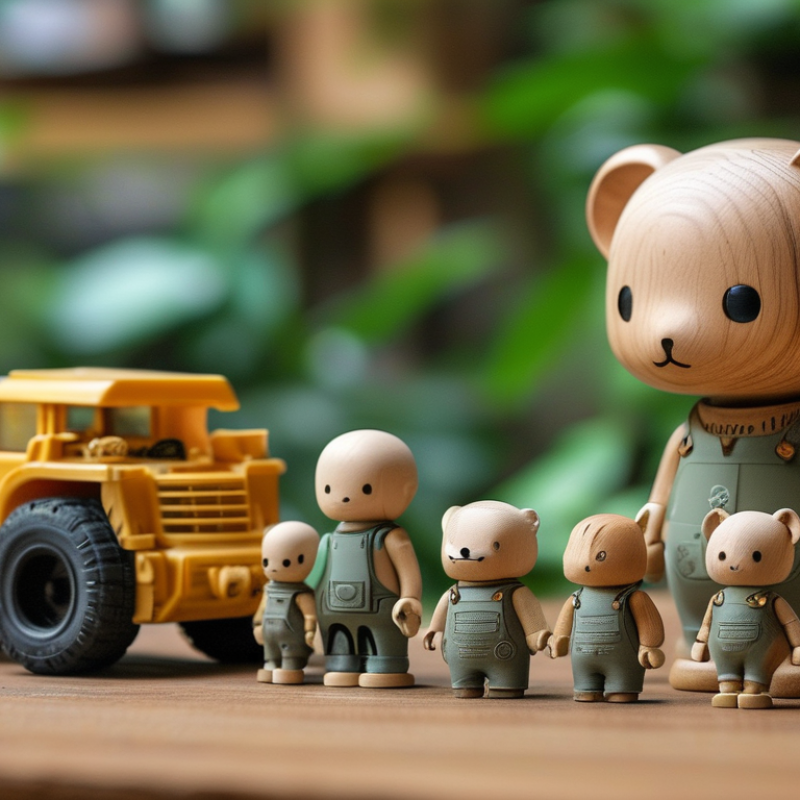
Sustainability in toy manufacturing has become increasingly important. As consumers demand eco-friendly products, manufacturers must adapt. According to a 2022 report from the Toy Industry Association, approximately 70% of parents prefer sustainable toys over traditional options. This shift highlights the significance of understanding sustainability.
When searching for custom toy manufacturers, consider these tips: Look for certifications in eco-friendly materials. Check if the manufacturers use recycled plastics or sustainably sourced wood. These choices can significantly impact the environment. Remember, transparency is crucial. Manufacturers should openly share their processes and materials with potential clients.
Consulting sustainability benchmarks can guide your selections. Reports indicate that sustainable production can reduce carbon footprints by up to 40%. However, not every manufacturer meets these standards. It’s essential to evaluate their practices and commitments to sustainability. Engage in conversations and ask for evidence of environmentally friendly initiatives. This approach fosters accountability and encourages manufacturers to improve their sustainability efforts.
When searching for sustainable custom toy manufacturers, certain key features should stand out. A focus on eco-friendly materials is crucial. Look for manufacturers that prioritize biodegradable plastics or sustainable wood sources. This commitment reflects their dedication to reducing environmental impact. Certifications for organic materials or non-toxic finishes can also signal a responsible approach.
Another important aspect is transparency in the manufacturing process. Reputable manufacturers will share their sourcing and production methods openly. This openness builds trust and ensures that their practices align with your values. Engaging with them on production timelines and ethical labor practices can reveal their commitment to sustainability. It’s vital to ask questions and be vigilant about their responses.
Additionally, customer reviews and testimonials can provide insight into a manufacturer’s reliability and product quality. Look for feedback regarding the durability and safety of the toys they produce. Not all manufacturers will meet high standards, so researching and verifying claims is essential. Relying on referrals from industry experts can also guide you toward reliable options.
| Feature | Importance | Considerations |
|---|---|---|
| Eco-friendly materials | High | Look for manufacturers using recycled or biodegradable materials. |
| Sustainable production practices | High | Ensure they minimize waste and energy use during production. |
| Certifications and compliance | Medium | Check for recognized certifications in sustainability and safety. |
| Flexible manufacturing capability | Medium | They should adapt to varying order sizes and needs sustainably. |
| Transparency in sourcing | High | They should disclose where and how materials are sourced. |
| Community engagement | Medium | Supports local communities and ethical labor practices. |
| Product lifecycle management | High | Consider the entire lifecycle from production to disposal. |
| Range of product offerings | Medium | Diversity in toys to ensure selection based on sustainable principles. |
| Customer feedback and reviews | Medium | Evaluate manufacturer reliability and product performance. |
| Innovation and design | High | Seek manufacturers committed to innovative sustainable practices. |
When evaluating material sources for eco-friendly toys, it's crucial to consider sustainability. Traditional plastics can take thousands of years to decompose. The World Economic Forum reports that over 300 million tons of plastic are produced annually. This staggering amount contributes to environmental degradation. Choosing biodegradable materials is essential for reducing long-term waste.
Look for manufacturers using renewable resources. Bamboo and organic cotton are great alternatives. According to the Bioplastics Organization, bioplastics can reduce greenhouse gas emissions by 50-80% compared to conventional plastics. However, the sourcing process can cause challenges. Not all suppliers adhere to strict environmental standards. Verification is key.
Certifications can guide your choices. Look for manufacturers certified by recognized bodies such as the Forest Stewardship Council (FSC). This indicates responsible sourcing. However, navigating this landscape can be complex. Some companies may exaggerate their eco-friendliness without proper certifications. Staying informed about material sourcing helps ensure authenticity and sustainability in toy manufacturing.
When searching for sustainable custom toy manufacturers, evaluating their manufacturing processes is crucial. Look closely at how raw materials are sourced. Are they using eco-friendly materials? Check if the production includes recycled or biodegradable options. Careful sourcing can significantly reduce environmental impact.
Investigate the energy use during production. Manufacturers should aim for renewable energy sources like solar or wind power. High energy consumption often leads to larger carbon footprints. Assess waste management practices as well. Ideal manufacturers minimize waste and have recycling programs in place. They should also engage in conscious disposal of non-recyclables.
It is equally important to inquire about labor practices. Fair working conditions and ethical treatment are essential for sustainability. Observe feedback from employees and community reviews. Even the most eco-friendly processes can falter if human rights are compromised.
Finding the right manufacturer is a journey of reflection and careful consideration. Understanding these facets is key to making a more sustainable choice.
Establishing ethical standards in supplier relationships is crucial for brands looking to create sustainable custom toys. Choosing suppliers with transparent practices can protect their reputation. One effective method is to require regular audits. These audits should assess both environmental and labor practices.
A manufacturer may claim sustainability, but without evidence, these claims can be misleading. It is essential to seek certifications that demonstrate ethical awareness. Look for suppliers who visibly engage with their communities. This engagement reflects their commitment to ethical standards. Additionally, building a dialogue with manufacturers fosters trust.
However, maintaining ethical relationships can be challenging. Some suppliers may not prioritize sustainability and transparency. Brands must remain vigilant and hold their partners accountable. Clarifying expectations is essential. Frequent check-ins can help ensure adherence to these standards.
Building sustainable supplier relationships requires dedication and continuous effort. It is not just about profit but about making a positive impact too.
: Observe their raw materials sourcing. Are they eco-friendly and possibly recycled?
Renewable energy is ideal. Solar and wind power are good options for reducing carbon footprints.
Effective waste management minimizes waste and encourages recycling. Non-recyclables should be disposed of responsibly.
Fair working conditions and ethical treatment are vital for sustainability. Employee feedback is essential for assessment.
Regular audits are necessary. These should cover both environmental practices and labor conditions.
Certifications that demonstrate ethical awareness are crucial. They provide evidence of sustainable practices.
Frequent check-ins and clarifying expectations can help. Communication builds trust and accountability.
Some suppliers may not prioritize sustainability. Continuous effort is needed to hold them accountable.
No, it also involves making a positive impact. Brands should consider ethical implications seriously.
Yes, without evidence, claims can be misguiding. Always request proof of their sustainable practices.
Finding sustainable custom toy manufacturers is increasingly important for environmentally conscious consumers and businesses. To begin with, it's crucial to understand sustainability in toy manufacturing, which encompasses the use of eco-friendly materials and ethical production processes. Identifying key features of custom toy manufacturers involves looking for those who prioritize both quality and sustainability in their products.
Evaluating material sources is essential; opting for manufacturers who utilize renewable, recyclable, or biodegradable materials can significantly reduce environmental impact. Additionally, assessing manufacturing processes for energy efficiency and waste reduction practices can reveal a company's commitment to sustainability. Lastly, establishing ethical standards in supplier relationships ensures that all parties involved adhere to responsible labor practices. By following these guidelines, one can effectively answer the question, "How to find sustainable custom toy manufacturers?" and contribute to a more sustainable future.

Kasten Toys