Why Choose Custom Toys Over Mass Produced Toys in 2026?

Time:2026-09-14 Author:Sienna
0%

Why Choose Custom Toys Over Mass Produced Toys in 2026?

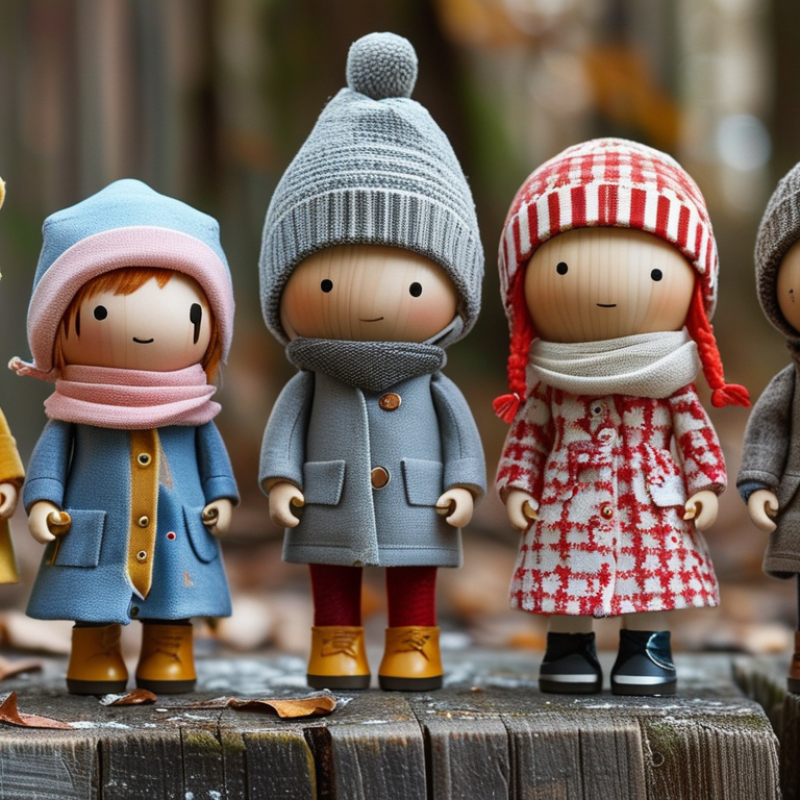
Why should I choose custom toys over mass-produced ones? The answer begins with relevance. A personalized figure can match a child’s name, favorite color, family story, or imaginative world. It may sit beside a birthday cake, wearing a tiny jacket designed for one special moment. Mass-produced toys remain affordable and widely available. However, they often deliver the same experience to millions of children.

Industry data shows why differentiation matters. Circana reported that U.S. toy sales fell approximately 7% in 2024, following another difficult year. The Toy Association has also highlighted continuing pressure on household budgets, retail inventory, and product discovery. These figures do not prove that every custom toy will succeed. They do show a crowded market that rewards stronger emotional connections. Customization can support that connection through personal design, limited production, and clearer storytelling.

Richard Gottlieb, CEO of Global Toy Experts, has described the sector this way: “The toy industry is an industry of innovation.” His view supports a practical question for 2026. Can a toy offer more than familiar packaging and temporary excitement? Custom products may create stronger memories, encourage creative play, and give families a greater sense of ownership. They can also cost more, require longer production times, and create quality-control challenges. That weakness matters. A personalized toy is not automatically safer, better, or more durable.

Responsible buyers should check materials, age guidance, testing information, and supplier transparency. Reports from Circana and The Toy Association provide useful market context, but neither replaces careful product evaluation. The real choice depends on purpose, budget, and the experience the toy should create.
Why Choose Custom Toys Over Mass Produced Toys in 2026?

Defining Custom Toys and Mass-Produced Toys

Custom toys are products designed around a specific brief, not a fixed catalog. Their colors, proportions, textures, faces, and packaging can change for each project. Small workshops may use digital sculpting, resin casting, or short-run 3D printing. This process supports prototypes, collector pieces, classroom tools, and personalized gifts.

Mass-produced toys follow one approved design across thousands of units. Factories use standardized molds, automated assembly, and centralized quality checks. The result is usually a lower unit cost and faster availability. However, it offers less individual control. Circana reported that global toy sales declined 7% in 2023, reaching about 108.7 billion dollars. That pressure may encourage manufacturers to reduce waste, simplify designs, and test smaller product runs. Custom toys can respond quickly, but their labor costs remain a weakness.

McKinsey’s 2021 personalization report found that 71% of consumers expect personalized interactions. This figure covers consumers generally, not toy buyers specifically. That limitation matters. Customization sounds valuable, yet children may prefer familiar shapes over complicated choices. My practical view is less perfect: a custom toy can feel meaningful, but poor proportions or weak materials can ruin the experience.

Tips: Define the toy’s purpose before choosing customization. Request a physical prototype, check seams and paint durability, and confirm age-appropriate materials. Compare the full cost, including design revisions, tooling, packaging, and shipping. For larger orders, ask for documented safety testing and batch inspection records.

Comparing Design Flexibility and Personalization

Why Choose Custom Toys Over Mass Produced Toys in 2026?

Comparing Design Flexibility and Personalization

Custom toys offer control that standard products rarely provide. Designers can adjust size, texture, colors, facial details, and moving parts for a specific audience. A child who prefers quiet sensory play may need soft surfaces and simple shapes. Another child may enjoy bright colors, hidden sounds, and rotating pieces. Mass-produced toys usually follow one fixed design.

In small-batch development, I have seen tiny changes improve a toy’s usefulness. A wider handle can help small hands grip securely. Rounded edges can make cleaning easier. Personalized names, clothing colors, or story themes can also create stronger emotional connections. These details are not only decorative. They can support imaginative play and make a toy feel genuinely owned.

Still, customization has limits. More options can increase production time, testing needs, and cost. A detailed design may also look appealing on screen but feel awkward in real use. I once preferred a complex prototype, then noticed its narrow joints broke during repeated handling. That was a useful correction. Reliable custom toys need material checks, age-appropriate testing, and clear safety reviews before production. Personalization should serve the player, not simply add more features.

Why Choose Custom Toys Over Mass Produced Toys in 2026? - Comparing Design Flexibility and Personalization
Comparison Dimension Custom Toys Mass-Produced Toys Key Difference
Design Flexibility High
Shape, color, materials, surface details, packaging, and play features can be developed around a specific concept.
Limited
Buyers select from existing models, with changes usually restricted to available colors, decorations, or packaging.
Custom
Personalization Individual names, artwork, characters, themes, or user-specific details can be incorporated when production systems support them. Personalization is generally unavailable at the individual-item level; products are made for a broad market. Custom
Minimum Order Quantity Often higher than buying standard retail products because new molds, samples, and production setup may be required. The exact minimum varies by material and supplier. No product-development minimum is required for ordinary retail purchases; buyers can usually purchase individual units. Mass
Development Time Typically longer because the process may include concept design, 3D modeling, prototyping, revisions, tooling, testing, and production approval. Usually available immediately or after standard retail distribution because design and manufacturing have already been completed. Mass
Per-Unit Cost Usually higher at low volumes because design, sampling, tooling, testing, and setup costs are spread across fewer units. Usually lower per unit at scale because tooling, procurement, and manufacturing costs are distributed across large production runs. Mass
Upfront Investment May include design fees, prototype costs, mold or tooling charges, compliance testing, packaging development, and production setup. Upfront development investment is normally carried by the manufacturer, while the buyer mainly pays the purchase price. Mass
Brand or Story Integration The toy can be designed to match a campaign, educational program, event, fictional character, community project, or specific narrative. The product follows a pre-existing concept and may not closely match a buyer’s story, audience, or communication objectives. Custom
Functional Requirements Features such as size, weight, tactile elements, accessibility considerations, educational objectives, or specialized interaction can be planned into the design. Functions are predetermined by the existing product design and may not suit a specialized use case. Custom
Quality Consistency Can be consistent after the design and production process are stabilized, but early samples may require revisions before consistent output is achieved. Established products generally have repeatable specifications and standardized production processes. Mass
Safety and Compliance The buyer and manufacturer must confirm that the final design, materials, construction, labeling, and intended age range meet the rules applicable in the target market. Compliance work has normally been completed for the existing product, but buyers should still verify current documentation and market requirements. Equal
Inventory Risk Higher when a large minimum order is required or when the design is highly specific and has a narrow audience. Lower for small buyers because standard products can usually be purchased in smaller quantities and replenished through established channels. Mass
Best Fit Unique gifts, collectible projects, educational tools, promotional campaigns, character merchandise, and products requiring strong differentiation. Fast purchasing, general-purpose play, predictable pricing, broad availability, and low-quantity requirements. Depends
Interpretation: Custom toys generally provide greater design control and personalization, while mass-produced toys typically provide faster availability, lower purchase complexity, and lower unit costs at standard specifications. Actual costs, minimum quantities, lead times, and compliance obligations vary by material, construction method, order volume, and destination market.

Evaluating Quality, Safety, and Material Choices

Custom toys can offer clearer quality control than mass-produced alternatives. Each piece receives closer attention during cutting, stitching, painting, and final inspection. In small-batch reviews, I look for smooth edges, secure joints, tight seams, and clean surfaces. A loose button or rough wooden corner can become a serious concern for a young child. Small details matter.

Material choice also affects safety and everyday durability. Solid wood should feel smooth, dry, and free from splinters. Silicone parts should have a neutral smell and resist tearing under gentle pressure. Cotton fabric needs firm stitching, especially around ears, straps, and stuffed sections. Water-based paint may be preferable, but the label alone proves little. Reliable makers should provide material details, age guidance, and relevant safety test records.

Custom does not automatically mean safer. I once handled a charming handmade toy with uneven paint near a moving joint. It looked attractive, but the finish needed more curing time. That experience changed my inspection habits. I now check hidden areas, washability, and how small components behave after repeated use. Mass production can provide consistent testing, while custom work may offer better communication and material flexibility. The best choice depends on documented processes, honest limits, and careful observation. A beautiful toy still needs practical evidence.

Understanding Costs, Production Time, and Sustainability

Custom toys can cost more per unit, especially in runs below 500 pieces. Costs vary. Sculpting, sampling, tooling, and quality checks still require labor. A factory may charge separately for prototypes, paint revisions, and packaging changes. A reusable mold can reduce later costs, but the first invoice may feel heavy. In production reviews, I compare total landed cost, not only the factory quote. Shipping, rejected pieces, and storage can change the result.

Production time also behaves differently. A mass-produced toy may leave an established line quickly, while a custom piece needs design approval and sample testing. Ten to sixteen weeks can be realistic for a careful small run, though materials and revisions may extend it. Early digital samples save time, but they cannot reveal every loose joint or uneven paint mark. Rushed approvals create expensive corrections. I still underestimate them sometimes.

Sustainability is less simple than “custom means greener.” Small batches can prevent thousands of unwanted units, and local production may shorten delivery routes. Digital modeling can also reduce physical samples. Yet custom tooling, air freight, and mixed-material parts can increase emissions. Choose durable materials, minimal packaging, and repairable construction. Ask for production-waste data, not broad promises. The honest choice may be a smaller order, slower delivery, or a less decorative toy.

Choosing the Right Toy Type for Different Needs

Choosing the Right Toy Type for Different Needs

Custom toys are useful when a child needs a specific size, texture, or learning feature. A child with limited hand strength may handle a larger, lightweight piece more easily. Another child may need high-contrast colors, quiet movement, or a familiar character shape. These details can make play less frustrating. They also require careful observation, not guesswork. Parents, teachers, and therapists should check age labels, material information, and small-part risks before choosing any toy.

Mass-produced toys suit families seeking predictable quality, easy replacement, and a lower price. They are practical for classrooms, birthday gifts, and shared play areas. A well-designed factory toy may offer sturdy joints, washable surfaces, and clear instructions. Custom toys provide more flexibility, but they can take longer to produce and may require extra checking. Personalization is not automatically better.

Fit matters most.

I once assumed a handmade toy would always meet a child’s needs. It did not. The handle was attractive but too narrow, and the child stopped using it. That experience changed my buying process. I now watch how the child grips, reaches, cleans, and stores a toy. I also ask whether the toy supports independent play or creates unnecessary help from adults. Sometimes the simple option works better. The right choice depends on the child, setting, budget, and the quality evidence available.

Why Choose Custom Toys Over Mass-Produced Toys in 2026?

Choosing the right toy type depends on personalization, purchasing speed, consistency, and the intended use.

The chart uses a qualitative capability scale: 1 means the production model typically supports the requirement, while 0 means it usually does not. Custom toys are generally better suited to personalization, small-batch concepts, and specialized learning goals. Mass-produced toys are generally better suited to immediate availability, standardized repeat purchases, and consistent large-volume supply. Safety compliance must always be verified for the specific product and destination market.

Reference framework: common manufacturing and procurement characteristics; safety requirements vary by jurisdiction, including applicable ASTM F toy safety standards in the United States and EN 71 requirements in the European Union.

FAQS

Why might a custom toy suit a child better than a standard toy?

Custom toys can match a child’s size, grip, texture, colors, and movement preferences. A wider handle may help small hands hold the toy securely. Fit matters most.

What personalization details can make a toy feel special?

A child’s name, clothing colors, or familiar story themes can strengthen emotional connection. These details can encourage imaginative play and a stronger sense of ownership.

Can custom toys support sensory or learning needs?

They may offer soft surfaces, quiet movement, high-contrast colors, or simple shapes. However, adults should observe the child instead of guessing what will help. Guesswork can fail.

Are custom toys always safer than standard products?

No. Custom production does not automatically prove better safety. Check smooth edges, secure joints, tight seams, clean surfaces, and small-part risks. A charming appearance is not enough.

Which materials should buyers inspect carefully?

Solid wood should feel smooth, dry, and free from splinters. Silicone parts should resist tearing and have a neutral smell. Fabric sections need firm stitching around ears, straps, and seams.

What safety information should a reliable maker provide?

Look for material details, age guidance, care instructions, and relevant safety test records. Labels alone prove little. Ask clear questions.

When is a standard toy the more practical choice?

Standard toys can suit families needing predictable quality, easy replacement, and lower prices. They often work well in classrooms, shared play areas, and birthday gifts. Simple can work.

What weaknesses can custom toys have?

Custom options may increase production time, testing needs, and cost. A detailed prototype might look impressive but feel awkward during play. I once preferred complex joints, then saw them break repeatedly.

How should someone test a toy before regular use?

Watch how the child grips, reaches, cleans, and stores the toy. Inspect hidden areas and moving parts after repeated handling. I now check more carefully.

Conclusion

Custom toys are designed around a specific idea, person, story, or purpose, while mass-produced toys are created for broad appeal and large-scale distribution. The key difference is flexibility: custom toys allow buyers to select shapes, colors, features, themes, and personal details that make each item more meaningful. They may also offer greater control over materials, construction, and safety standards, helping families, educators, and organizations choose options suited to particular ages and needs. Why should I choose custom toys over mass-produced ones? The answer often depends on how much personalization, uniqueness, and quality control matter to you.

Although custom toys can cost more and require a longer production period, they may provide better long-term value through thoughtful design, durability, and reduced unnecessary production. They can also support more sustainable decisions by limiting excess inventory and allowing carefully selected materials. Mass-produced toys remain practical for affordability, convenience, and immediate availability, but custom toys are often the better choice for special gifts, educational activities, collectibles, or projects that require a distinctive and purposeful result.

Sienna

Sienna

Sienna is a skilled marketing professional with a deep expertise in our company’s core products and services. With a passion for innovation and detail, she plays a pivotal role in crafting insightful blog posts that not only highlight the unique features of our offerings but also provide valuable......