Custom toys have gained popularity among collectors and children alike, often prompting the question: "Why are custom toys so expensive?" The allure of unique designs, personalized features, and limited editions drives demand. Manufacturers invest time and resources into creating these bespoke products, which inevitably raises costs.
High-quality materials and intricate craftsmanship contribute to the price tag. Each toy is often made with precision and care, making it distinct. However, many consumers may not fully understand the factors influencing these prices. Are the costs justified, or are buyers simply paying for the novelty?
As the market evolves, more options emerge. Some custom toys may not meet expectations or fail to stand out. It's crucial for buyers to reflect on what they value in these products. Understanding the reasons behind their expense can help clarify whether such investments are worthwhile.
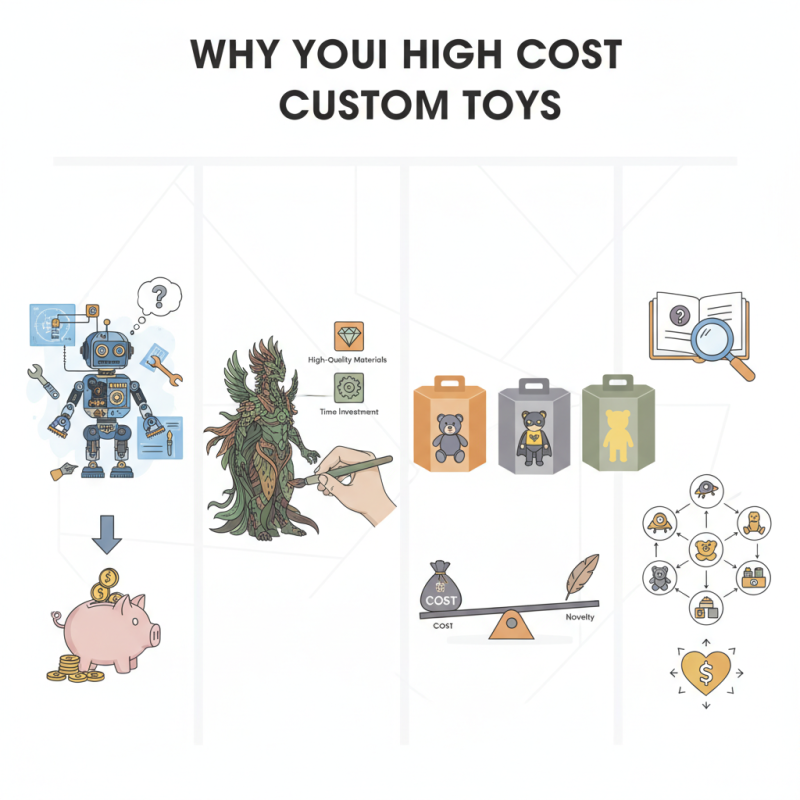
Custom toys often carry a hefty price tag, and understanding why can be complex. One major factor is production costs. Custom toys often require specialized materials and intricate designs, leading to higher expenses. Skilled artisans may spend countless hours perfecting each piece. The result is a unique item that reflects personal creativity.
Another key influence is demand. As custom toys become more popular, prices can increase due to limited availability. Seasonal trends or events may drive up interest, pushing prices even higher. Toy makers might have to balance crafting high-quality toys with staying competitive. It's a difficult task requiring constant adaptation and innovation.
Lastly, the emotional value of custom toys impacts their pricing. Many buyers view these toys as special keepsakes or gifts. This emotional connection can justify the higher cost. Nonetheless, it raises questions about accessibility. Are these toys truly affordable, or are they reserved for a select few? The pricing dilemma remains a topic for reflection.
Custom toy production involves diverse materials and complex manufacturing techniques. The choice of materials significantly affects the toy's final price. High-quality plastics, organic materials, and non-toxic paints are often used. These materials ensure safety and durability, but they come at a higher cost. Many consumers may not realize that sourcing eco-friendly options can further increase expenses.
The manufacturing process is another crucial factor. Custom toys frequently require specialized molds and intricate craftsmanship. Each piece can involve detailed handwork, which is time-consuming. Machines might handle some tasks, but human touch is essential for quality. Delays or imperfections in production can lead to higher costs. Sometimes, this happens with limited runs or exclusive designs, which add to the toy's uniqueness but also the price tag.
Quality control is vital in this industry. Every toy must meet safety standards. This additional step increases the overall price as well. In pursuit of perfection, manufacturers sometimes face setbacks. What seems simple can become complex when striving for high-quality results. The balance between ethical production and cost efficiency is a challenge many face.
Custom toys can be surprisingly expensive, and a major factor is design complexity. When a toy is designed, the process involves multiple stages. Each stage adds layers of cost. From concept sketches to 3D modeling, every detail matters. According to recent industry reports, about 25% of toy production expenses stem from the initial design phase.
The materials used also influence the final price. High-quality plastic or unique fabric choices raise costs. For instance, toys made from sustainable materials can cost up to 30% more to produce. This is due to limited availability and higher sourcing costs. Design complexity not only includes materials but also intricate features. Toys with movable parts or electronic functions demand advanced engineering and can increase costs significantly.
Additionally, creating a unique design often requires multiple prototypes. Each prototype may cost anywhere from $500 to $5,000 depending on complexity. Iterations take time and resources. While customers may seek personalization, it can make the design process lengthy and expensive. Companies may need to reassess whether the added complexity aligns with consumer demand.
This chart illustrates the percentage breakdown of costs associated with custom toy design, highlighting how design complexity plays a significant role in the overall expense.
The rising popularity of custom toys can be linked to market demand. People seek unique items that resonate personally. These toys often reflect individuality. As more consumers express a desire for personalized products, the price naturally increases. Limited editions or handcrafted designs capture attention. They create an allure that mass-produced items simply cannot achieve.
Willingness to pay also plays a significant role. Many buyers view custom toys as investments. They are not just playthings, but collectibles. This mindset justifies higher spending. However, not everyone can afford such luxuries. Price points often exclude a broader audience. Some may feel frustrated or left out. The custom toy market tends to cater to niche segments. While some thrive on exclusivity, it raises questions about accessibility.
Custom toys often come with a higher price tag compared to mass-produced options. A recent industry report highlighted that custom toys can cost up to four times more than their mass-produced counterparts. This price difference stems from several factors, including design complexity and production methods. Customization often involves advanced technologies and skilled artisans, which significantly adds to the costs.
Mass-produced toys benefit from economies of scale. When companies produce large quantities, they can lower production costs. Reports show that mass production can reduce costs by as much as 30-50%. However, these toys often lack the unique features found in custom creations. This is where the emotional value of custom toys comes into play. Consumers are willing to pay for a personalized experience, even if it means spending more.
The trend toward custom toys reflects a shift in consumer preferences. A survey found that nearly 70% of parents value uniqueness over price. This creates a dilemma. While custom toys can be expensive, they often come with personal stories and lasting memories. Yet, the question remains: Is the price worth the treasure? Each purchase requires reflection on what value truly means for the buyer.
| Type | Average Cost | Production Time | Materials Used | Customization Options |
|---|---|---|---|---|
| Custom Toys | $50 - $200 | 4-8 weeks | Non-toxic plastics, specialty fabrics | Unique design, personalized features |
| Mass-Produced Toys | $10 - $30 | 1-2 weeks | Standard plastics, basic materials | Limited expressiveness |
: High-quality plastics, organic materials, and non-toxic paints are typical choices. They ensure safety and durability.
The price can increase due to sourcing quality materials and intricate manufacturing processes.
Design complexity is significant. Each design stage adds to the expenses, sometimes significantly.
Eco-friendly materials can raise production costs by up to 30%. This is due to limited availability and sourcing challenges.
Every toy must meet safety standards. This process adds costs and can lead to production delays.
Prototyping can be expensive, ranging from $500 to $5,000. Each prototype adds to the design complexity and expenses.
Striving for high quality often complicates production. This can lead to setbacks and increased prices.
Yes, personalization may add complexity, making the design process lengthier and more costly.
Craftsmanship is crucial. It involves detailed handwork, which is time-consuming and can raise costs.
Yes, delays and imperfections can occur, especially with limited runs or exclusive designs, impacting the final price.
The article "Why Are Custom Toys So Expensive Explained" delves into the various factors that contribute to the high costs associated with custom toys. One primary reason is the materials and manufacturing techniques used; custom toys often employ specialized materials and intricate production processes that inflate production costs. Additionally, the complexity of the design plays a significant role, as more detailed and unique designs require more time and expertise, further driving up prices.
Market demand is another crucial factor influencing the costs; consumers are often willing to pay a premium for custom toys due to their uniqueness and personalization. The article compares custom toys with mass-produced options, highlighting the stark contrast in pricing and the value consumers place on the individuality of custom items. Ultimately, understanding "why are custom toys so expensive?" requires an appreciation of the complex interplay between materials, design, and market dynamics.

Kasten Toys