Creating custom resin toys can be an exhilarating experience, but it can also lead to unexpected challenges. One common issue many creators face is stickiness. You might find yourself asking, "Why is my custom resin toy sticky and how to fix it?" Understanding the causes of stickiness is crucial for any resin artist. It can stem from improper curing, incorrect resin-to-hardener ratios, or even environmental factors.
This problem can be frustrating. You invest time and creativity into your toy, only to have it feel tacky and unpleasant to touch. The solution is not always straightforward. It may require trial and error to identify what went wrong. Some might suggest using a different resin brand, while others may recommend adjusting your curing conditions.
Identifying the root cause is essential to resolving stickiness. It involves troubleshooting your process and making minor adjustments. Don't be disheartened if your first attempts aren’t perfect. Every experience is a learning opportunity. With some patience and knowledge, fixing your custom resin toy can lead to a better, smoother finish that enhances your artistic vision.
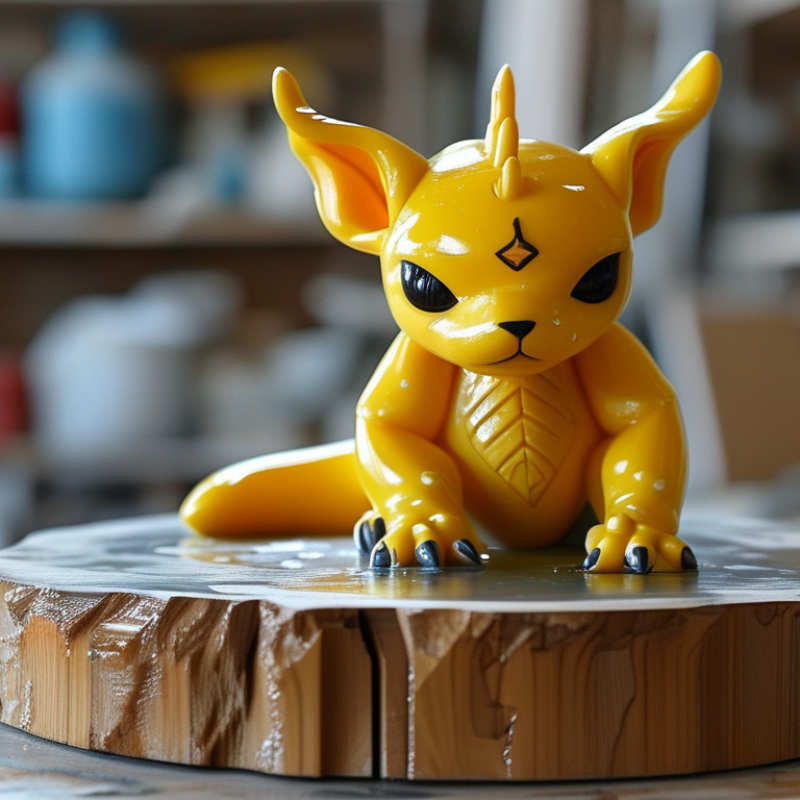
Understanding the Causes of Stickiness in Custom Resin Toys
Many hobbyists encounter stickiness in custom resin toys. This issue often arises from improper curing. If the resin doesn't fully cure, it can retain a tacky surface. Factors like humidity and temperature can greatly affect the curing process. For instance, high humidity levels can slow down curing, making the resin remain sticky even after the standard curing time.
Another cause could be the type of resin used. Some resins are more prone to stickiness than others. If you notice stickiness, consider the resin’s formulation. Mixing ratios must be precise. If the mix is too thick or too thin, it can lead to issues. Always follow the manufacturer's instructions carefully to avoid such situations.
Finally, consider environmental factors. Storing your toys in a cool, dry place can help prevent future stickiness. If your resin toys are sticky, try to identify the root cause. Sometimes, you might need to sand the surface and apply a sealant. Each step requires attention to detail. Reflecting on your process can help you improve.
Causes of Stickiness in Custom Resin Toys
Common Mistakes During the Resin Casting Process
When creating custom resin toys, mistakes can lead to unexpected stickiness. One common error occurs during the mixing phase. Many beginners do not mix the resin and hardener thoroughly. Incomplete mixing leads to uneven curing. This can result in a soft, sticky surface that won’t dry properly. Always ensure you follow the manufacturer's recommended mixing ratios. Take your time and mix for at least three to five minutes.
Another mistake involves environmental conditions. High humidity can greatly affect the curing process. If you pour resin on a humid day, the moisture in the air can cause stickiness. Consider using a dehumidifier or working in a controlled environment. Dust is another concern. Dust particles can create imperfections and interfere with the surface finish. Cover your workspace and minimize potential contaminants during curing.
Lastly, not allowing enough curing time is a frequent issue. It's tempting to touch or inspect the piece early. However, rushing can lead to a sticky, unfinished product. Patience is key in resin casting. Follow the recommended time to achieve a hard and durable finish. Reflect on these areas, and your custom resin toys will come out better each time.
Identifying and Fixing Sticky Resin Surfaces
Sticky resin surfaces can be frustrating for custom toy makers. Various factors contribute to this issue, and understanding them is crucial. A common cause of stickiness is improper curing. According to industry studies, over 30% of resin-related issues stem from inadequate UV exposure during the curing process. This can leave surfaces tacky, impacting not only the aesthetics but also the usability of the toy.
Environmental conditions play a significant role as well. High humidity and temperature fluctuations can prevent resin from fully hardening. A report from a material science journal notes that the optimal curing conditions are around 70°F with humidity below 50%. If these conditions aren't met, the resin may not cure properly. It's crucial to monitor both during the creation process.
To address sticky surfaces, begin by assessing the initial curing conditions. You might need to increase exposure time or adjust your setup. In some cases, a second curing process can help. Lightly sanding the sticky areas can also create a better surface for additional curing. While these steps can fix many issues, not every solution works for every type of resin. Careful observation and adjustment are vital in finding the right fix for your specific situation.
Why is My Custom Resin Toy Sticky and How Can I Fix It? - Identifying and Fixing Sticky Resin Surfaces
| Issue |
Possible Causes |
Solutions |
| Sticky Surface |
Incomplete curing of resin |
Use a UV light for additional curing time |
| Dusty Appearance |
Dust particles attracted to the surface |
Clean the surface with isopropyl alcohol |
| Tacky Finish |
Humidity during curing process |
Move to a drier location and re-cure |
| Soft Surface |
Incorrect mixing ratio of resin and hardener |
Ensure proper measurement and mixing |
| Bubbling |
Trapped air in the mixture |
Use a degassing chamber before pouring |
Preventative Measures to Avoid Future Stickiness
Creating custom resin toys can be a rewarding experience. However, stickiness can occur due to various factors. To prevent this issue in the future, consider these preventative measures.
Maintaining proper curing conditions is crucial. Ensure your workspace is free from humidity and temperature fluctuations. Ideal conditions will enhance the curing process. Use a dehumidifier if necessary to control moisture levels. Proper ventilation can also help.
Cleaning your molds thoroughly before every use is important. Any residue from previous casts can affect the new pour. A simple soap and water solution usually works well. Rinse them thoroughly and allow them to dry completely. Don't forget to inspect your materials regularly.
Lastly, use the right ratio of resin to hardener. Check the manufacturer's guidelines. Mixing too much resin can lead to an incomplete cure. If your toys still feel sticky, consider adding a post-cure phase. Wrap your toys in a breathable cloth and let them sit in a dry space for a few days. This can improve their texture significantly.
Recommendations for Proper Curing Techniques in Resin Toys
When creating custom resin toys, curing techniques play a crucial role. Improper curing can lead to a sticky finish. It's essential to understand the factors affecting the curing process. Temperature, humidity, and mixing ratios can all have significant impacts.
To achieve optimal curing, maintain a stable environment. Ideal temperatures range from 70°F to 75°F. High humidity might extend drying times, making toys tacky. Ensure proper mixing of resin and hardener. An uneven mix can lead to incomplete curing.
Tips: Always measure your components accurately. Use a digital scale for precision. Stir slowly to avoid introducing bubbles, which might affect the finish. If toys end up sticky, UV light can sometimes help, yet this is not a guaranteed fix. Reflect on your process to identify potential issues. Adjust accordingly in future projects.
FAQS
: Incomplete mixing of resin and hardener is a major mistake. This results in uneven curing and a sticky surface.
High humidity can introduce moisture, causing stickiness. It’s essential to work in a controlled environment to avoid this.
Clean your molds thoroughly to remove any residue. Use soap and water, then let them dry completely before use.
Mix for at least three to five minutes. A thorough mix ensures a better cure and helps avoid stickiness.
Maintain a stable temperature between 70°F to 75°F. Avoid humidity and temperature fluctuations to enhance curing.
Consider adding a post-cure phase. Wrap them in breathable cloth and let them sit in a dry space for several days.
Always follow the manufacturer's guidelines for mixing ratios. An incorrect ratio can result in an incomplete cure.
Cover your workspace and minimize contaminants. Dust can create imperfections in the surface finish of your toys.
Reflect on past projects. Identify any flaws in mixing or environment. Adjust your methods for better results in future attempts.
Rushing the curing process can lead to a sticky finish. Allow sufficient time for the resin to cure properly.
Conclusion
In "Why is My Custom Resin Toy Sticky and How Can I Fix It?", the article explores the common issue of stickiness in custom resin toys, detailing its underlying causes. One primary factor contributing to stickiness is the mistakes made during the resin casting process, such as improper mixing ratios or insufficient curing times. Identifying and rectifying these sticky surfaces is crucial, with solutions ranging from additional curing to the application of a sealant.
To prevent future stickiness, it's essential to adopt proper curing techniques, ensuring that the resin is fully set before handling. The article emphasizes the importance of careful measurement, mixing, and environmental conditions during the casting process. By following these recommendations, toy creators can achieve a durable and non-sticky finish for their custom resin creations.

 Kasten Toys