Why is Your Custom Resin Toy Sticky and How to Fix It?

Time:2026-05-07 Author:Sophia
0%

Custom resin toys have gained immense popularity in recent years, with the market projected to grow by over 25% by 2025. However, enthusiasts often encounter a common issue: the stickiness of their creations. This leads many to ask, "Why is my custom resin toy sticky and how to fix it?" Understanding the causes of this problem is crucial for both amateur and professional creators.

Sticky toys may result from improper mixing of resin components or inadequate curing time. A study indicates that about 30% of resin users face curing issues, which can lead to unexpected results. The environmental factors during the curing process, such as humidity and temperature, also play a significant role in the final texture of the toy. For collectors and creators, the aesthetic appeal is vital, making these factors even more critical to consider.

Addressing the stickiness requires a few simple yet effective solutions. Using a release agent can prevent adhesion. Additionally, ensuring the correct resin-to-hardener ratio is paramount. Many creators overlook these details, leading to frustrating outcomes. Taking time to refine the process not only improves the outcome but also enhances overall satisfaction with the craft.
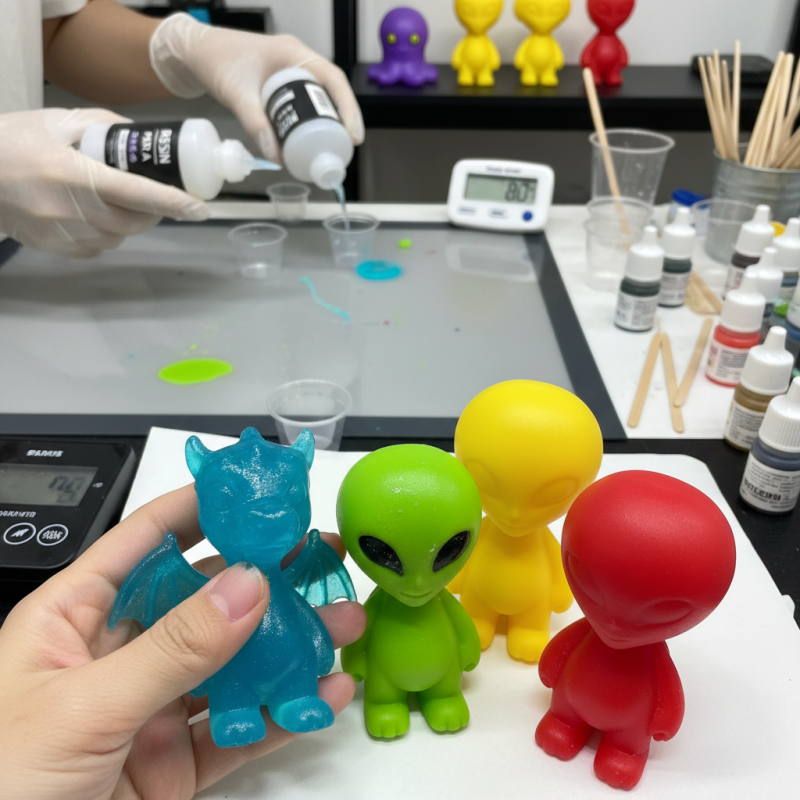
Why is Your Custom Resin Toy Sticky and How to Fix It?

Understanding the Causes of Stickiness in Custom Resin Toys

Custom resin toys often develop a sticky surface, which can be frustrating for collectors and creators. This stickiness usually stems from a few common causes. One primary factor is the type of resin used. Some resins, especially those not completely cured, may remain tacky. Nearly 30% of hobbyists report issues with residual stickiness due to improper curing processes. This can be exacerbated by environmental conditions, such as high humidity, which can prevent full hardening.

Another critical aspect involves the quality of additives and pigments used. Low-quality or incompatible additives can lead to a chemical imbalance. A recent industry report indicated that around 40% of resin issues trace back to substandard materials. Inadequate mixing during the preparation phase can also introduce air pockets, creating uneven textures and surfaces. These failures can significantly reduce the quality of the final product, leaving creators dissatisfied with their work.

Developing a sturdy and non-sticky finish requires diligence. Ensuring proper mixing ratios is essential. This might involve some experimentation to find the right balance. Collectors should also ensure their toys are stored under optimal conditions, avoiding extremes of temperature and humidity. Reflecting on these factors can help improve future creations.

Common Issues with Resin Curing and Its Effects on Surface Feel

When it comes to custom resin toys, stickiness can be a frustrating issue. It is often caused by improper curing. Factors like temperature, humidity, and mixing ratios can all affect the final surface feel. A sticky finish not only diminishes the toy’s aesthetic value but also its durability.

One common issue arises from under-curing. When resin is not cured fully, it retains a tacky surface. This can happen if the mixture is not stirred thoroughly. If the ambient temperature is too low, curing may also be incomplete. It’s essential to follow instructions closely and allow ample curing time.

**Tips:** Always measure your resin and hardener accurately. Use a suitable thermometer to ensure optimal temperatures. If a toy feels sticky after curing, try placing it under UV light for additional curing. This can enhance the finish and reduce stickiness. Regularly check your workspace conditions to ensure an ideal curing environment. It's vital to reflect on your process and make adjustments where necessary.

Common Issues with Resin Curing and Their Effects on Surface Feel

Identifying External Factors Contributing to Resin Toy Stickiness

When dealing with sticky custom resin toys, it’s essential to identify external factors that contribute to this issue. Temperature and humidity play crucial roles in the curing process of resin. High humidity can prevent proper curing, leaving a tacky surface. Low temperatures may also slow down curing times, leading to similar results. If you live in a humid area or during a wet season, consider storing your toys in a climate-controlled environment. A change in your surroundings can make a significant difference.

Another factor is the type of resin used. Some resins are more prone to stickiness than others. Even the curing agents and additives can impact the final feel of the toy. Pinpointing the exact mix can be tricky. It may require trial and error to find the right formula. Poor mixing of the resin can also lead to uneven curing. Always ensure a thorough blend to minimize issues.

Lastly, dust and contaminants can settle on your toys. These particles may prevent proper finishing, causing stickiness. Clean your work environment regularly to avoid this. Remember that patience is essential in the resin art process. It's not always perfect, but embracing these setbacks is part of the learning experience.

Why is Your Custom Resin Toy Sticky and How to Fix It? - Identifying External Factors Contributing to Resin Toy Stickiness

Factor Description Impact Level Solution
Humidity High humidity can cause resin to absorb moisture. High Store in a climate-controlled environment.
Temperature Extreme temperatures can affect curing. Medium Cure resin in a stable temperature range (20-25°C).
Mixing Ratio Incorrect resin to hardener ratio can result in stickiness. High Follow manufacturer’s instructions accurately.
Cure Time Insufficient curing time can lead to soft, tacky surfaces. High Allow extra time for full curing or post-cure in UV light.
Surface Contamination Dust, oils, or residues can affect adhesion. Medium Clean surfaces properly before pouring resin.

Step-by-Step Solutions to Fix Sticky Resin Toys

Sticky resin toys can be frustrating for collectors and creators alike. The stickiness may stem from various factors in the resin curing process. One common reason is insufficient curing time. If the resin does not fully harden, it can remain tacky. Inadequate mixing of the resin and hardener is another culprit. Always follow the proper mixing ratios to ensure thorough hardening.

To fix sticky resin toys, start by gently cleaning the surface with mild soapy water. This can help remove any residue. After cleaning, allow the toy to dry completely. Next, you might need to apply a light layer of clear coat sealant. Always choose a sealant compatible with the type of resin used. If the stickiness persists, consider re-casting a new layer of resin over the affected area. Remember, experimenting may lead to unwanted outcomes, so patience is key. Each attempt can teach you what does not work, guiding you toward a better solution.

Preventive Measures for Maintaining Non-Sticky Resin Toys

Maintaining non-sticky resin toys is crucial for preserving their quality. One prevention method is choosing the right resin. Use high-quality resin with a proper curing process. This ensures that the toys set correctly and reduces stickiness. Pay attention to the environment when curing. High humidity or low temperatures can lead to an incomplete cure.

Regular cleaning is equally important. Dust and grime can build up over time. A soft cloth and some mild soap can help keep your toys looking fresh. Avoid harsh chemicals as they may damage the resin. After cleaning, allow them to dry completely before display.

Proper storage also plays a key role. Store your toys in a cool and dry place, away from direct sunlight. Exposure to heat can cause the resin to become sticky. Reflecting on these practices can lead to better results. Adjust your methods as needed to ensure your resin toys remain in perfect condition.

FAQS

: What causes stickiness in custom resin toys?

: Stickiness often results from improper curing, including low temperatures and incorrect mixing ratios.

How can I ensure proper curing of resin?

Measure resin and hardener accurately. Stir thoroughly and allow enough curing time for the best results.

What should I do if my toy feels sticky?

Place it under UV light for extra curing. This can improve the finish and decrease stickiness effectively.

How does humidity affect resin curing?

High humidity can lead to incomplete curing, resulting in a tacky surface. Monitor environmental conditions closely.

What cleaning methods are safe for resin toys?

Use a soft cloth with mild soap. Avoid harsh chemicals, as they may damage the resin surface over time.

Where should I store my resin toys?

Store them in a cool, dry place, away from direct sunlight. Heat exposure can increase stickiness in the resin.

Why is regular cleaning important for resin toys?

Dust and grime can accumulate, affecting appearance. Cleaning maintains their quality and enhances durability.

How can I reflect on my resin-making process?

Regularly assess your methods and workspace conditions. This reflection helps to identify areas for improvement.

Can I use low-quality resin to save costs?

Low-quality resin can lead to stickiness and durability issues. Opting for better resin is usually worth the investment.

What temperature is ideal for curing resin?

Maintaining a warm, stable temperature helps ensure complete curing. Constantly check this to avoid stickiness.

Conclusion

This article addresses the common concern among creators and collectors: "Why is my custom resin toy sticky and how to fix it?" It begins by explaining the various causes of stickiness in resin toys, including issues related to the curing process, which can alter the surface texture. Additionally, it highlights external factors such as humidity and temperature that may contribute to the problem.

To help resolve these issues, the article presents step-by-step solutions for fixing sticky resin toys, including curing adjustments and the use of protective coatings. Furthermore, it emphasizes preventive measures to maintain a non-sticky finish, ensuring that resin toys remain in optimal condition. By understanding these factors and applying the recommended fixes, creators can enhance the durability and appeal of their custom resin creations.

Sophia

Sophia

Sophia is a dedicated marketing professional with an exceptional depth of knowledge about her company's products and services. With a keen understanding of market trends and customer needs, she crafts insightful blog posts that not only inform but also engage readers, enriching the company’s online......