In today's dynamic toy industry, the demand for personalized products has surged. According to a recent report by IBISWorld, the custom toy market is projected to reach $5 billion by 2026. More parents are seeking unique, handcrafted items that resonate with their children's creativity. As a result, understanding how to make custom toys from a drawing has become invaluable.
Creating custom toys from children's illustrations fosters creativity and emotional connection. Many parents and designers have found joy in transforming simple sketches into tangible items. However, the process can be challenging. Not all ideas translate well into three-dimensional objects. It requires an understanding of materials, manufacturing techniques, and safety requirements.
Proper research guides aspiring creators through this intricate journey. Engaging with prototypes is essential. Feedback from kids and parents can refine designs. Embracing imperfections invites innovation. As you navigate this exciting venture, remember that the goal is not just to create toys; it’s to celebrate imagination and individuality.
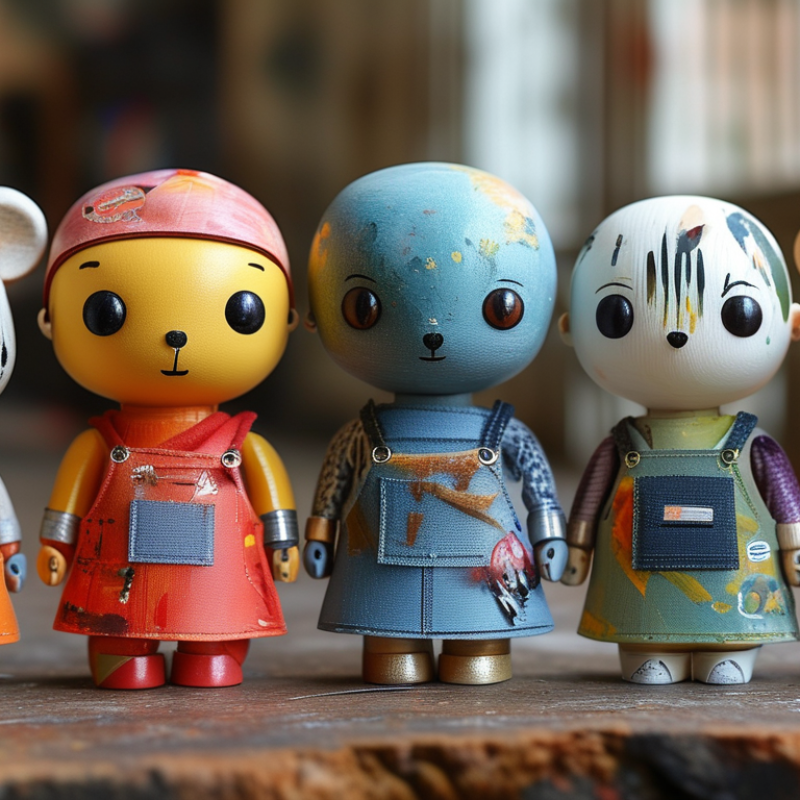
Understanding the Rise of Custom Toy Market: Trends and Data in 2026
The custom toy market has seen significant growth in 2026. More artists and creators are turning their drawings into physical toys. This trend reflects a desire for unique, personalized products. Consumers want to connect with items that have personal meaning. This emotional connection drives demand.
Data shows that many children and adults appreciate toys designed from their own ideas. This personalization creates a strong bond between the creator and consumer. However, challenges remain in production. Not every design translates easily into a toy. Many artists must rethink their ideas to make them manufacturable.
New technologies have emerged to assist in this process. 3D printing, for example, allows for rapid prototyping. It gives creators the freedom to experiment with different designs. Still, the cost of production can be high. Many need to balance quality with affordability. Making custom toys is rewarding yet requires careful planning and reflection on the creative process.
Materials and Techniques for Transforming Drawings into Toys
Creating custom toys from drawings can be an exciting project. Choosing the right materials is crucial for success. Start with quality paper for your drawings. This helps capture details. Next, consider using soft or hard foam for the toy base. Foam can be easy to cut and shape, making it a versatile choice.
When it comes to techniques, you may want to experiment with 3D modeling. This approach allows you to visualize designs better. Use computer software to bring your drawings to life. Although it may feel overwhelming at first, patience pays off. Don't hesitate to try multiple designs. Crafting might not always go as planned. Prepare for some trial and error.
Tips: Always test prototypes first. Use inexpensive materials to minimize waste. Document your process; this can provide insights. Keep in mind that imperfections add character. Embrace flaws—each one tells a story. Be open to adjusting your designs based on what works best.
Materials and Techniques for Custom Toy Creation from Drawings in 2026
Utilizing 3D Printing Technology for Custom Toy Creation
The rise of 3D printing technology has transformed the toy industry. In 2026, creating custom toys from your drawings is more accessible than ever. According to a report by the International Federation of Robotics, the 3D printing market is expected to grow by over 25% annually. This growth opens new avenues for artists and creators.
Designing a toy is a detailed process. You need to consider dimensions, materials, and textures. Many designers use modeling software to translate their ideas into digital files. Sometimes, the changes between drawing and final print can lead to unexpected results. For example, colors may not match expectations, or the size may feel different when held. Understanding these nuances is crucial.
3D printing allows for rapid prototyping. You can print several iterations to refine your design. A study by Smithers Pira revealed that 3D printing can reduce development time by up to 50%. However, it’s not always flawless. The quality of the final product can fluctuate based on the printer and settings used. It’s essential to test different materials to find what best suits your vision. Experimentation will lead to better outcomes.
Innovating Safety Standards for Custom Toys: What You Need to Know
Creating custom toys from your drawings in 2026 is an exciting venture. However, safety standards must be taken seriously. According to a 2021 report by the Toy Association, over 200,000 children are treated for toy-related injuries annually. This statistic highlights the need for robust safety measures.
The CPSC (Consumer Product Safety Commission) has strict guidelines for toy manufacturers. Compliance is non-negotiable. Safety testing includes evaluations for choking hazards, toxic materials, and durability. Toy makers must ensure materials are non-toxic and free from harmful chemicals. It's essential to document these tests consistently. Some newer materials on the market allow for greater creativity but may pose safety challenges.
Not all custom toys pass the safety examination. This can lead to costly recalls or, worse, injuries. Designers should incorporate safety features from the outset. Simple design changes can greatly enhance safety. For instance, rounded edges on toys reduce the risk of injury. Moreover, even when using non-toxic paint, it's critical to confirm its safety through rigorous testing. Customers trust that you prioritize their children's safety.
Marketing Your Custom Toys: Strategies for Success in 2026
Marketing your custom toys effectively in 2026 starts with understanding your audience. Knowing who will buy your toys is crucial. Consider their preferences and interests. Engage with potential customers through social media platforms. Create polls or surveys to gather feedback on designs. This direct interaction can guide your creations and marketing strategies.
Visual storytelling is vital. Use high-quality images and videos to showcase your toys. Parents appreciate seeing how toys are made and their potential benefits. Behind-the-scenes content can build trust and excitement. Leveraging user-generated content can also enhance your brand's reliability. Encourage customers to share photos of their children using your toys. Highlight this authentic engagement in your marketing campaigns.
Experiment with online and offline strategies. Local craft fairs or toy conventions can offer direct exposure. Collaborating with local artists or influencers may introduce your brand to a wider audience. However, every approach requires testing and adjustment. Analyze the performance of different campaigns. Embrace failures as learning opportunities. Reflect on what works and what doesn’t, refining your methods continuously.
How to Create Custom Toys from Your Drawings in 2026? - Marketing Your Custom Toys: Strategies for Success in 2026
| Strategy |
Description |
Target Audience |
Estimated Cost |
| Social Media Campaigns |
Utilize platforms like Instagram and TikTok to promote your custom toys through engaging content. |
Parents and collectors. |
$500 - $2000 |
| Crowdfunding |
Launch a Kickstarter or Indiegogo campaign to fund your toy designs and generate interest. |
Toy enthusiasts and early adopters. |
$1000 - $5000 |
| Partnerships with Influencers |
Collaborate with influencers to reach their audience and enhance credibility. |
Kids and parents. |
$300 - $1500 |
| Local Art Fairs |
Participate in local craft fairs to showcase and sell your custom toys. |
Community members and families. |
$200 - $1000 |
| Online Store |
Set up an online store to sell your toys directly to consumers. |
Global audience. |
$500 - $2500 |
Conclusion
In 2026, the custom toy market is flourishing, driven by innovative trends and increased consumer interest in personalized products. The article explores "How to make custom toys from a drawing?" by discussing various materials and techniques that effectively transform artistic drawings into tangible toys. It emphasizes the importance of utilizing cutting-edge 3D printing technology, which allows for precise and unique designs that bring ideas to life.
Additionally, as the market evolves, it is crucial to adhere to innovative safety standards to ensure that these custom toys are safe for all ages. The article also outlines effective marketing strategies that can help creators successfully launch their products in this competitive landscape, ensuring that they reach their target audience and stand out in the growing custom toy niche.

 Kasten Toys