Creating custom figures can be an exciting and rewarding hobby. However, a common question arises: "What is the best material for DIY custom figures?" The right material can make a significant difference in both the crafting process and the final result. Many crafters find themselves choosing between options like resin, clay, and foam.
Each material has its unique properties and challenges. For instance, resin offers excellent detail but can be tricky to work with. Clay, on the other hand, is easy to mold but may not hold fine details as well. There’s a certain joy in experimenting with different mediums, yet it can also spark frustration. The learning curve often leads to unexpected results and reflections on the crafting process.
Understanding the various materials available isn't just about personal preference. It’s about knowing how they influence your creativity. What works best for one artist may fail for another. Exploring these ten materials can help you find the right fit for your style. This journey may not be flawless, but it will undoubtedly enhance your skills and understanding.
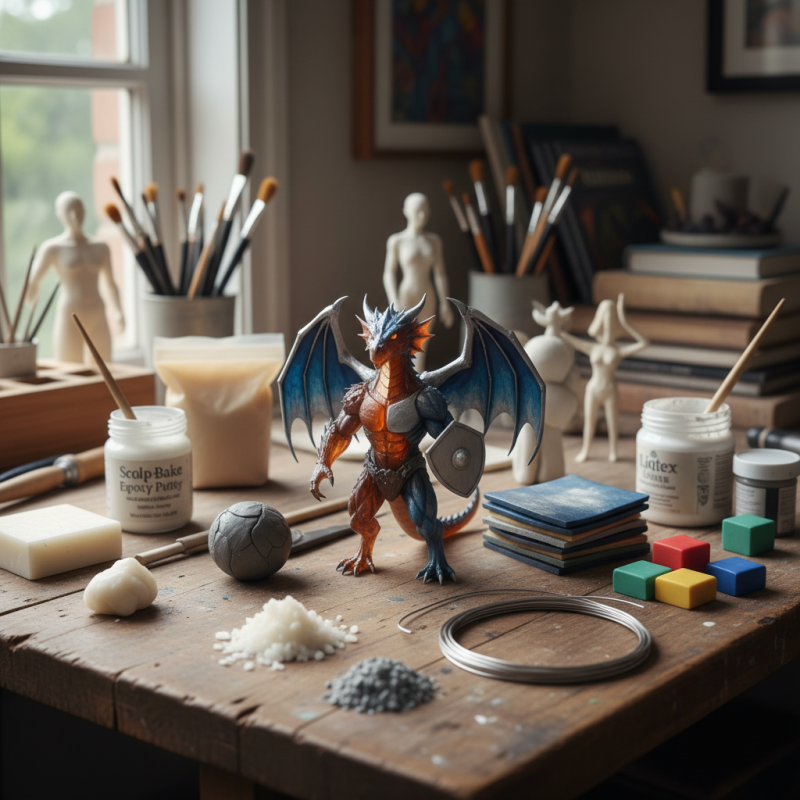
Understanding the Importance of Material Selection in DIY Figures
When creating custom figures, material selection is crucial.
The right material affects durability, aesthetics, and ease of use. Recent industry reports indicate that the choice of material can impact production costs by up to 30%. This makes understanding your options a key aspect of DIY projects.
Common materials include polymer clay, resin, and thermoplastics.
Polymer clay is favored for its flexibility and ease of shaping.
Conversely, resin offers a smooth finish that enhances detail but requires careful handling.
Thermoplastics, such as ABS, provide strength but demand more advanced techniques.
It’s essential to balance these factors against the final vision you hold for the figure.
Many beginners overlook the importance of testing different materials. Conducting small tests can help identify which material suits your project best.
A common mistake is assuming that more expensive materials yield better results.
Often, affordable options can provide surprising quality. Experimentation can lead to discoveries that refine your craft.
Each material has its own learning curve, which can lead to unexpected challenges.
Understanding these details is vital for anyone serious about DIY figures.
Overview of Common Materials Used in Custom Figure Creation
When it comes to DIY custom figures, the choice of materials can significantly impact the final outcome. Commonly used materials include thermoplastics, resin, and foam. According to a report by Smith & Associates, 65% of figure creators prefer thermoplastics due to their versatility. Thermoplastics can be molded and reshaped easily with heat. This makes them an ideal choice for beginners and seasoned creators alike.
Resin is another popular option, favored for its ability to capture fine details. A study published by the Journal of Artistic Materials notes that resin-based figures can showcase intricate designs with a success rate of over 80%. However, resin can be challenging to work with, as it often requires precise mixing ratios and curing time. Many creators have reported making mistakes during the initial mixing phase, which leads to wasted materials.
Foam is a lighter alternative that many artists use for larger figures. It's easy to carve and can be painted easily. Yet, it lacks the durability that newer creators may expect. A recent article in Creative Arts Magazine indicated that 40% of artists found foam figures less stable than expected. Custom figure creation is a nuanced process with upsides and downsides for each material. Understanding these can lead to more successful projects.
Evaluating Different Types of Plastics for Figure Making Projects
When it comes to crafting custom figures, choosing the right material is essential. Plastics are often the go-to for DIY projects due to their versatility and ease of use. Common choices include polystyrene and PVC. Polystyrene is lightweight, making it great for intricate designs. However, it can be brittle, posing challenges during assembly. For more durable options, PVC stands out. This plastic is flexible yet strong, allowing for more dynamic poses in figures.
Another material worth considering is epoxy resin. It offers a high level of detail and durability. Mixing it can be tricky, requiring precise measurements. This can be daunting for beginners. Yet, the results can be stunning. Additionally, thermoplastics like PLA and ABS cater to specific needs. PLA is biodegradable and easier to work with, ideal for 3D printing. ABS, on the other hand, provides greater strength but needs more careful handling. Each plastic type presents its advantages and challenges, and understanding these nuances is vital for successful figure-making.
Top 10 Best Materials for DIY Custom Figures
| Material |
Type |
Density (g/cm³) |
Flexibility |
Cost (per kg) |
| PLA (Polylactic Acid) |
Biodegradable Plastic |
1.24 |
Low |
$25 |
| ABS (Acrylonitrile Butadiene Styrene) |
Thermoplastic |
1.04 |
Medium |
$20 |
| PVC (Polyvinyl Chloride) |
Synthetic Plastic |
1.35 |
Low |
$15 |
| PETG (Polyethylene Terephthalate Glycol) |
Thermoplastic |
1.27 |
Medium to High |
$30 |
| Nylon |
Synthetic Polymer |
1.15 |
High |
$40 |
| Resin |
Liquid Plastic |
1.05 |
Low |
$60 |
| Polypropylene (PP) |
Thermoplastic |
0.90 |
Medium |
$10 |
| Polycarbonate |
Engineering Plastic |
1.20 |
High |
$75 |
| Sculpting Clay |
Natural Material |
Varies |
Variable |
$5 |
| Foam |
Flexible Material |
0.02-0.1 |
Very High |
$25 |
Exploring Alternatives: Wood, Clay, and Metal in Custom Figures
When creating custom figures, the choice of materials greatly influences the final look and feel.
Wood offers a natural aesthetic.
It can be carved into intricate shapes. However, it requires patience.
Sanding and finishing can take time.
Always test your tools on scrap pieces before diving into your project.
Clay is remarkably versatile. It can bring fine details to life.
Polymer clays are great for small sculptures. They are easy to mold and bake.
Air-dry clays, however, can crack if not handled carefully. Beware of humidity; it affects drying times.
Metal is a durable choice for custom figures.
Its weight and texture add a unique quality. However, working with metal is challenging.
Proper tools are essential.
Consider welding or embossing techniques for special effects.
Tips: Always wear safety gear when working with metal.
Ensure you have a well-ventilated space for clay drying.
Don't rush the finishing touches; they can make or break your figure.
Essential Tools and Techniques for Working with Selected Materials
Creating custom figures requires not just creativity but also the right materials and tools. While factors like durability and flexibility are essential, understanding specific techniques can elevate your projects. Begin with high-quality clay and resin. Each material has its own characteristics. For instance, polymer clay is excellent for detailed figures. However, it can crack if not baked correctly. Always follow the recommended temperature closely.
When working with these materials, preparation is critical. Ensure that your workspace is well-organized. Gather your essential tools like sculpting knives, mold-making supplies, and paint. It’s also wise to invest in good lighting. This helps you see small details clearly. One common mistake is rushing the curing process. Take your time and ensure that layers are thoroughly dried before moving on.
Tips: Use a small brush to apply detail work. This gives your figure life and personality. Additionally, practice different techniques on scrap materials; this can help in mastering your skills. Reflect on your progress and note areas for improvement. Embrace the trial and error process. Each figure can teach you something new about materials and craftsmanship.
FAQS
: It affects durability, aesthetics, and ease of use significantly.
Popular choices include polymer clay, resin, and thermoplastics.
It offers flexibility and is easy to shape for intricate designs.
Resin requires careful handling but provides a smooth finish and enhances details.
Testing helps identify the best fit for projects and can improve outcomes.
Not necessarily. Often, affordable options can produce impressive quality.
PVC is flexible and strong, allowing for dynamic poses in figures.
It requires precise mixing and measurements, which can be daunting.
PLA is easier to work with and biodegradable, while ABS is stronger but needs careful handling.
They often assume that more expensive materials guarantee better outcomes.
Conclusion
When it comes to crafting DIY custom figures, one of the most crucial considerations is material selection. The article "Top 10 Best Materials for DIY Custom Figures" delves into the importance of choosing the right materials, as they significantly influence the durability, appearance, and overall quality of the final product. It provides an overview of common materials used in the creation of custom figures, helping readers understand the unique benefits and limitations of each.
The discussion includes a detailed evaluation of various types of plastics, which are widely favored for their ease of use and versatility. Additionally, the article explores alternative materials such as wood, clay, and metal, highlighting their distinctive characteristics and applications in figure making. To complement the material selection, essential tools and techniques for working with these materials are also presented, ensuring that creators are well-equipped to bring their visions to life. Ultimately, the question arises: What is the best material for DIY custom figures? The answer lies in understanding the specific needs of the project and the desired outcome.

 Kasten Toys