Creating custom figures is a rewarding endeavor for many artists and hobbyists. The question often arises: "What is the best material for DIY custom figures?" Choosing the right material significantly impacts the figure's quality, durability, and ease of use. In China, various options are available, each catering to different artistic needs and preferences.
Some popular materials include polymer clay, resin, and foam. Polymer clay is favored for its versatility and ease of manipulation. Resin offers a smooth finish but can be tricky to work with. Foam is lightweight but may lack detail. Each material has its pros and cons, and individual preference plays a key role in the decision.
Experimentation is essential for finding the best fit. Artists may encounter challenges and learn from mistakes along the way. Reflecting on past projects can lead to better choices in materials. The journey of crafting custom figures is as much about the process as it is about the finished piece. Choosing the right material can elevate the final outcome and enhance your creative expression.
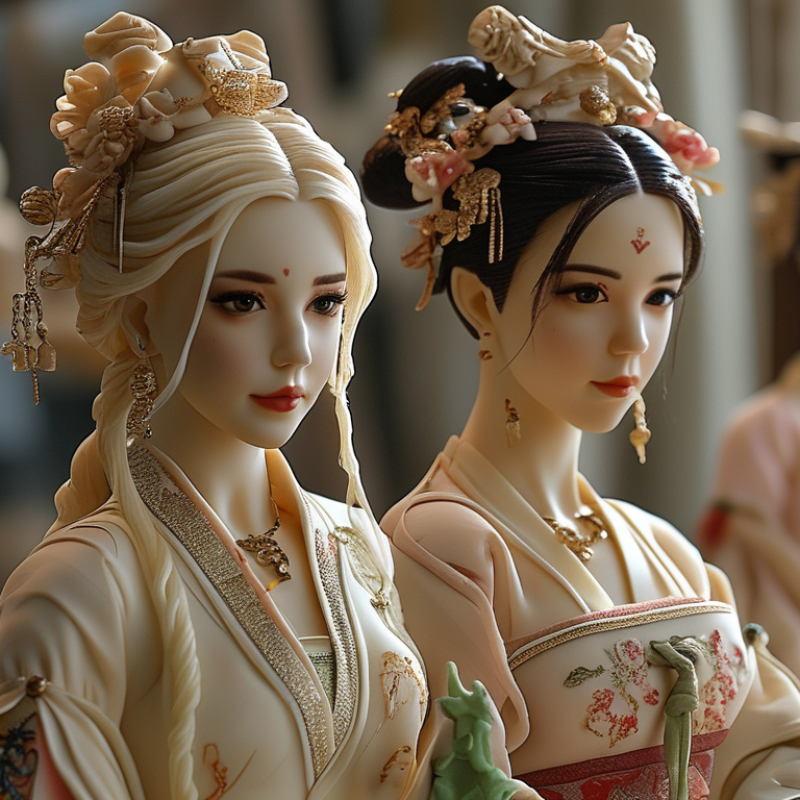
When creating DIY custom figures, selecting the right materials is essential. Various options available in China cater to different styles and budgets. Commonly used materials include high-grade PVC, resin, and thermoplastic elastomers. Each material offers unique strengths. For example, PVC is highly versatile and affordable, while resin provides superior detail for intricate designs.
Market trends indicate that the demand for custom figures is rising annually. Reports show a growth rate of approximately 15% in the online market for DIY art supplies. This statistic highlights the increasing interest in personalized creations, encouraging artists to experiment with various materials.
Choosing the right material can be challenging. Some options may require specialized tools and experience. Beginners might prefer softer materials like clay or foam. They allow for easier manipulation and shaping. Using hard plastics can lead to difficult repairs if mistakes occur.
Tips: Always conduct a test run with your chosen materials. This practice can reveal their limits and flaws. Take time to research each option before starting your project. Understanding the properties of each material ensures a better final product. Consider joining online forums for shared experiences and advice. Learning from others can provide valuable insights into material selection.
When it comes to sculpting custom figures, the choice of materials is crucial. In China, artists have a variety of options.
Polymer clay is a popular choice among many sculptors. It is easy to mold and bake, allowing for intricate details.
However, it can be challenging to achieve consistent textures across larger models.
Another widely used material is epoxy resin. This offers durability and strength for figures that need to hold their shape over time.
It can be tricky to work with, as it hardens quickly. Sculptors often find it difficult to execute their designs within the limited working time.
For those looking for flexibility, silicone molds are an excellent option. They allow for repeated casting of the same figure.
However, they may not capture fine details as well as other materials.
Experimenting with different materials brings its own set of challenges. Each medium has its strengths and weaknesses.
A sculptor might find one material easier for certain details but harder for others.
This reflects the trial-and-error nature of the creative process.
Learning from these imperfections can lead to striking innovations in figure design.
When working on custom figures, selecting the right paints and finishes is vital. Different materials require specific approaches to achieve a polished look. Acrylic paints are favored for their versatility and ease of use. They adhere well to various surfaces and can be thinned for smoother applications. Research indicates that about 70% of DIY enthusiasts prefer acrylics for their sustainable properties.
Oil paints, though less common for action figures, provide a rich depth of color. They offer longer drying times, allowing for detailed blending. However, they can be challenging to work with, requiring more patience and skill. Many artists report initial frustrations, especially when trying to achieve finer details.
For finishes, consider the effect of matte versus gloss. A matte finish can hide imperfections, making it a great option for beginners. Glossy finishes, conversely, enhance color vibrancy but can reveal flaws. Tips: Always test your paints on a small area first. This will help you understand the compatibility with the material. Also, let each layer dry thoroughly before applying the next. The process demands patience but leads to impressive results. Experimentation is key; not every technique will work for every figure. Learning from mistakes is part of the journey.
| Material Type | Best Uses | Recommended Paint Type | Finish Type | Durability Rating |
|---|---|---|---|---|
| PVC | Figures with precise details | Acrylic Paint | Matte | High |
| Resin | High-detail collectible figures | Enamel Paint | Glossy | Very High |
| ABS Plastic | Action figures and toys | Spray Paint | Satin | Medium |
| Polymer Clay | Custom sculpting | Acrylic Paint | Matte | Medium |
| Foam | Lightweight props and figures | Latex Paint | Textured | Low |
| Wood | Artistic bases and figures | Oil Paint | Natural Wood Finish | High |
| Metal | Durable and heavy figures | Metallic Paint | Glossy | Very High |
| Paper Mache | Creative and lightweight figures | Acrylic Paint | Matte | Medium |
| Fabric | Soft figures and toys | Fabric Paint | Soft | Low |
Creating custom figures requires the right tools and accessories. Essential items include cutting tools, sculpting tools, and adhesives. A craft knife is vital for precise cuts. Pair this with a sturdy cutting mat to protect your workspace. Sculpting tools come in various shapes, helping create fine details. Consider a set that offers both fine and broad tips.
Don't overlook the importance of a good workspace. A well-lit area is crucial for detailed work. LED lamps can provide bright, uniform lighting. Additionally, a magnifying glass may help, especially for intricate designs. You may also need gloves to keep everything clean. Remember, making figures can get messy quickly.
Regardless of your skill level, some tools may feel overwhelming. It’s okay to take time to explore. Mistakes are part of the learning process. Experiment with different materials to find what works best for you. Keep an open mind; every failure is a chance to improve your skill.
When creating custom figures in China, selecting the right materials is crucial. Many hobbyists turn to a variety of resources for their projects. Commonly used materials include resin, thermoplastics, and clay. Each option has distinct characteristics and usage methods. For example, resin offers a smooth finish, while clay allows for more detailed textures. Experimenting with these materials can lead to impressive results.
Suppliers are plentiful, especially in major cities. Many craft stores sell raw materials catering to figure-making. Additionally, online platforms provide access to a broader range of options. Some suppliers even offer starter kits for beginners. This can be a double-edged sword; while it’s convenient, it can be overwhelming for newcomers choosing the right kit.
Despite access to various materials, challenges persist. Quality can vary widely among suppliers. It’s essential to vet suppliers carefully. Some materials may not meet your expectations, leading to frustrating experiences. Connecting with local artists can provide insights into reliable sources. Engaging with the community can enhance your skills and help refine your material choices.
: Common materials include PVC, resin, and thermoplastic elastomers. Each offers different strengths and costs.
The right material affects the final appearance and durability. It also impacts the ease of working with your project.
Beginners may prefer softer materials like clay or foam for easier manipulation. Hard plastics can be challenging for repairs.
Always conduct a test run with your materials to understand their limits and flaws before starting your project.
Essential tools include cutting tools, sculpting tools, and adhesives. A craft knife and a sturdy cutting mat are fundamental.
Experiment with different materials and techniques. Mistakes are valuable learning experiences for enhancing your skills.
Bright, uniform lighting is crucial. LED lamps are ideal for helping you see details clearly while working.
Yes, online forums can be valuable for learning from others’ experiences and gathering tips on material selection.
Each material has specific challenges. Some may harden quickly, making intricate designs difficult to achieve within the working time.
Yes, feeling overwhelmed is common. Take your time, explore, and remember that every attempt is a chance to improve.
In the pursuit of creating unique and personalized custom figures, one may wonder, "What is the best material for DIY custom figures?" The article provides a comprehensive overview of the various materials suitable for crafting custom figures in China, highlighting their distinct characteristics. From versatile sculpting materials that offer ease of manipulation to high-quality paints and finishes that enhance the final look, each choice plays a crucial role in the creation process.
Additionally, the article discusses essential tools and accessories that streamline figure creation, ensuring that hobbyists have the right equipment for their projects. It also points out popular resources and suppliers in China where enthusiasts can source these materials effectively. By exploring these facets, the article serves as a valuable guide for both novices and experienced creators aiming to bring their custom figures to life.
Kasten Toys